Exam Hall Rituals: How Students Create Their Own Luck Traditions During Board Tests
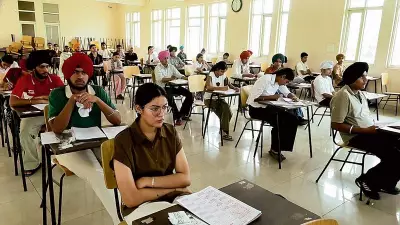
In examination halls across the country, a quiet phenomenon is unfolding as students appearing for board examinations bring their personal "luck rituals" into the testing environment. From drawing traditional symbols on answer sheets to maintaining specific food habits, these peculiar practices have become embedded in exam routines for many young test-takers.
The Rituals That Define Exam Experiences
Students have shared with media outlets that these personalized traditions help them maintain calmness and focus under the intense pressure of board examinations. The rituals begin with the most fundamental exam materials: the answer sheets and question papers.
Ankit Singh, one such student, draws a small 'swastik' symbol on the first page of his answer sheet before writing his initial response. This traditional mark serves as his starting point for every examination paper.

Meanwhile, Maitri Gupta, an ICSE student, has developed a tactile ritual of tapping her question paper three times before beginning to read the content. This repeated action creates a transition moment between receiving the paper and engaging with its contents.
For Satwik Prakash, an ISC student, completion is marked by folding the top corner of the final page after finishing all answers. This physical act provides a clear endpoint to his examination effort.
Personal Traditions and Superstitions
The rituals extend beyond paper manipulation to encompass broader behaviors and beliefs. Isha Agrawal, appearing for ICSE examinations, consciously enters examination halls with her right foot first, believing this sets a positive tone for her testing experience.
Avni Singh, another ISC student, has avoided cutting her hair until all examinations conclude, stating that this continuity helps maintain her focus throughout the testing period.
Faith and familiarity play significant roles in many students' rituals. Priyansh Verma, an ICSE student, whispers 'Jai Mata Di' before opening his examination booklet, invoking divine support at a crucial moment.
Food-based rituals also feature prominently. Nimisha Malhotra consumes the same brand of chocolate before every examination paper, describing this consistent treat as her "exam trigger" that prepares her mentally for the challenge ahead.
The Psychological Foundation of Exam Rituals
Experts explain that these varied actions function as psychological anchors during high-pressure situations. The consistency and predictability of rituals provide students with a sense of control when facing unpredictable examination content.
Psychiatrist Pawan Kumar Gupta notes that while these small traditions may not alter examination questions, they significantly strengthen students' belief systems at critical moments. "For many students, these personalized rituals create psychological stability," he explains. "The familiarity of repeated actions in an unfamiliar, high-stakes environment can reduce anxiety and enhance performance confidence."
These examination rituals represent more than mere superstition; they constitute coping mechanisms that students have developed to navigate the intense pressure of board examinations. By creating personal traditions around testing situations, students establish psychological comfort zones within otherwise stressful environments.
The prevalence of such rituals across different examination boards and student backgrounds suggests a universal human response to high-pressure situations. Whether through symbolic drawings, repeated actions, or consistent habits, students are finding ways to assert personal agency during standardized testing experiences that otherwise offer little individual control.