CBSE Postpones Class 10 and 12 Board Exams in Middle East Amid Rising Tensions
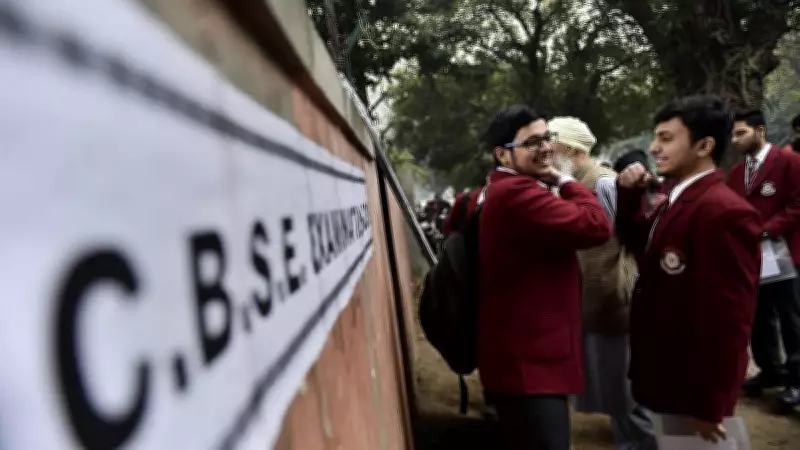
The Central Board of Secondary Education (CBSE) has announced the postponement of the Class 10 and 12 board examinations scheduled to be held in the Middle East region. This decision comes in response to the escalating tensions and security concerns in the area, which have raised significant logistical and safety challenges for students and educational institutions.
Immediate Impact on Students and Schools
The postponement affects thousands of students enrolled in CBSE-affiliated schools across various countries in the Middle East. Schools have been instructed to halt all exam-related activities immediately and await further directives from the board. This move is aimed at ensuring the well-being of students and staff, as the volatile situation could disrupt travel, communication, and exam administration.
Key reasons for the postponement include:

- Increased security risks due to regional conflicts and political instability.
- Potential disruptions to transportation and infrastructure that could hinder students' ability to reach exam centers.
- Concerns over the mental and physical safety of examinees during such uncertain times.
CBSE's Official Statement and Future Plans
In an official release, CBSE emphasized that the decision was made after careful consideration of reports from ground authorities and diplomatic channels. The board stated that it is closely monitoring the situation and will announce new dates for the exams once conditions stabilize. "The safety of our students is paramount, and we cannot compromise on this aspect," a CBSE spokesperson remarked.
CBSE has assured that all necessary measures will be taken to minimize academic disruption. This includes:
- Coordinating with local education boards and Indian embassies to assess the feasibility of rescheduling.
- Providing updates through official websites and school networks to keep stakeholders informed.
- Considering alternative assessment methods if the postponement extends significantly.
Broader Implications for Education in Conflict Zones
This incident highlights the broader challenges faced by educational systems operating in regions prone to geopolitical tensions. It underscores the need for flexible exam policies and contingency plans to protect students' academic interests during crises. Experts suggest that such measures could set a precedent for other boards dealing with similar situations globally.
Parents and students have expressed mixed reactions, with many appreciating the precautionary step while others worry about the impact on future academic schedules and college admissions. CBSE has urged patience and cooperation from all parties as it navigates this complex scenario.