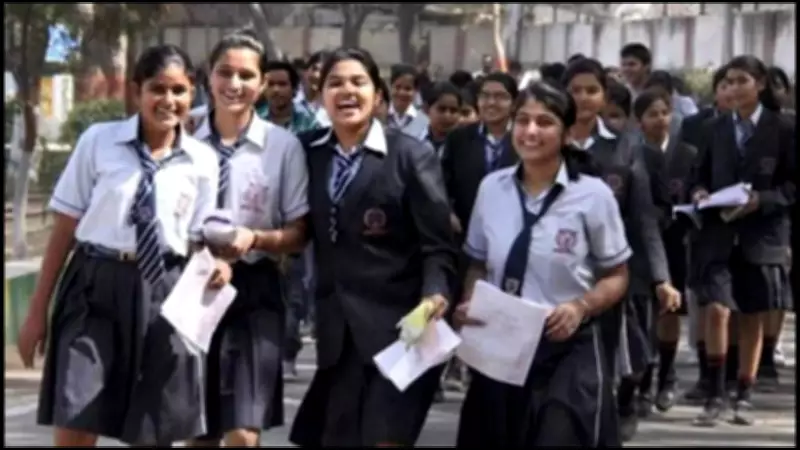
CBSE Class 12 English Board Exam Approaches: Final Hours of Preparation
The Central Board of Secondary Education (CBSE) Class 12 English board examination is scheduled for March 12, marking a critical moment for thousands of students across India. As the clock ticks down, candidates are spending their final hours revising key concepts, practicing answer formats, and refining their strategies. For many, the English paper represents the first major subject exam of the board season, making it an essential opportunity to start strong and build confidence for the remaining papers.
Understanding the Exam Structure: Core vs. Elective
While the majority of students appear for English Core, a significant number opt for English Elective, which typically demands deeper literary interpretation and more sophisticated analytical writing. According to the official sample papers released by CBSE, both subjects evaluate fundamental skills including reading comprehension, writing proficiency, and understanding of literature. However, the depth of analysis expected in Elective papers is notably higher, requiring students to engage with texts on a more critical level.
With only one day remaining before the exam, experienced educators strongly advise against attempting to revise entire textbooks again. Instead, focusing on question patterns, writing formats, and the central ideas from literature chapters can make revision more effective and significantly reduce stress levels.

Strategic Approaches for Each Section
Here are some practical, last-minute strategies that students can implement before entering the examination hall to enhance their performance.
Mastering the Reading Section
The unseen passage section may appear straightforward, but many students inadvertently lose marks by rushing through it. Educational experts recommend a strategic approach: students should first read the questions quickly before delving into the passage carefully. This technique helps identify what specific information to look for while reading, improving accuracy and efficiency.
When tackling multiple-choice questions, students should practice eliminating obviously incorrect options first. Wrong answers often contain exaggerated claims or details not mentioned in the passage. For short answer questions, copying entire sentences from the passage is unnecessary and time-consuming. A concise response written in the student's own words is usually more effective and demonstrates better comprehension.
Capitalizing on the Writing Section
For students appearing in English Core, the writing section typically includes formats such as notices, formal letters, reports, or articles. This section presents a significant opportunity to boost overall scores if executed correctly. Remember that format carries dedicated marks, so attention to structural details is crucial.
- Notice Writing: Key elements include the name of the institution, the word "NOTICE" in capital letters, date, a clear heading, and a brief message covering all essential details.
- Formal Letters: The structure should incorporate the sender's address, date, receiver's address, subject line, appropriate salutation, and a clear closing statement.
- Articles or Reports: Begin with a short introduction, present two or three clear arguments with supporting details, and conclude with a thoughtful summary.
Examiners generally value clarity and organization over complex vocabulary. Students should aim for simple, well-structured sentences that communicate ideas effectively.
Literature Revision: Focusing on Essential Themes
The literature section often carries substantial weightage, but many students waste precious time trying to memorize entire chapters. Teachers suggest instead revising central themes and key character insights from major texts.

- The Last Lesson: Focus on the emotional transformation of Franz, who begins to value education only when facing the potential loss of his language. M. Hamel symbolizes dedication to teaching and the importance of preserving cultural identity. Questions frequently explore the value of language and the regret of taking education for granted.
- Lost Spring: This chapter portrays child labour and poverty through the contrasting stories of Saheb and Mukesh. While Saheb appears to accept his fate, Mukesh's aspiration to become a motor mechanic represents hope amidst despair.
- Deep Water: Concentrate on William Douglas's psychological battle against fear and his ultimate victory through perseverance and training. The narrative teaches that fear can be overcome with determination and self-confidence.
- The Rattrap: Understand the central metaphor of the world as a "rattrap" that ensnares people through greed and temptation. The story ultimately illustrates the transformative power of kindness, particularly through Edla's compassion that changes the peddler's behavior.
Poetry Analysis: Understanding Emotion and Imagery
In poetry sections, examiners typically test whether students comprehend the underlying emotion and imagery rather than just surface meaning. In My Mother at Sixty-Six, the poet reflects on the fear of losing a parent and the emotional discomfort of witnessing a loved one age. Students should remember the powerful imagery comparing the mother's face to a "late winter's moon."
In Keeping Quiet, the poet encourages people to pause and reflect instead of rushing through life. The poem suggests that moments of silence can help humanity reconsider conflict and environmental destruction. Mentioning poetic devices such as imagery, symbolism, or metaphor can significantly strengthen answers.
Special Guidance for English Elective Students
Students appearing for English Elective should prepare for questions demanding deeper literary understanding. Answers should extend beyond mere text summarization to explain how the author's language, tone, or narrative style conveys meaning. Demonstrating awareness of themes, literary techniques, and broader textual messages can help secure higher marks.
Utilizing Official Sample Papers
Students are strongly encouraged to review the official sample question papers provided by CBSE. A brief examination helps understand question patterns, including how comprehension questions, writing tasks, and literature inquiries are framed. This preparation enables students to enter the examination hall with a clear strategic approach.
Effective Time Management During the Exam
Time management plays a critical role in English papers. Teachers recommend avoiding excessive time on any single section and instead balancing attention across all parts. A practical approach includes:
- Beginning with the reading section to build momentum
- Proceeding to the writing section while ideas remain fresh
- Attempting literature questions with the remaining time
Students should reserve the final five to ten minutes for checking spelling, grammar, and any unanswered questions.
Final Night Revision Priorities
With only hours remaining before the paper, educators emphasize avoiding new chapters and instead concentrating on high-yield revision points likely to appear on the exam.
Students should quickly review formats for notices, formal letters, and article writing, paying close attention to structure and word limits. Mentally practicing one or two formats can help prevent mistakes in the examination hall.
For literature, revising key ideas from major chapters proves more beneficial than rereading entire lessons. Focus on essential contrasts, symbols, and themes that frequently form the basis of short or long answer questions.
Poetry revision should center on emotion and imagery. Students should be able to explain central ideas and identify at least one poetic device used by the poet.
Before sleeping, many teachers suggest glancing through self-made notes or highlighted textbook lines, which often provide the easiest recall of key concepts during the exam.
Most importantly, students must remember that English is a presentation-based paper. Writing clear answers, structuring paragraphs properly, and directly addressing questions can make a substantial difference in final scores. With strategic preparation and calm execution, students can approach this important examination with confidence and competence.