

WTO Negotiations Conclude Without Agreement on E-Commerce Duty Moratorium Extension
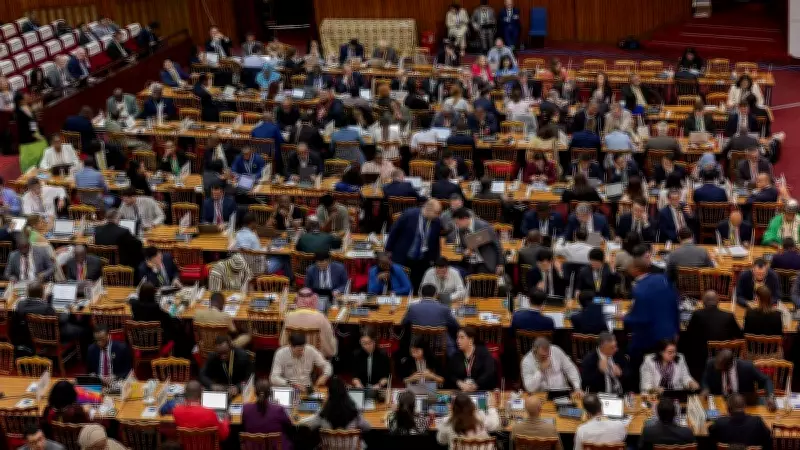
High-stakes talks at the World Trade Organization have concluded without reaching a consensus on extending the long-standing moratorium on customs duties for electronic transmissions. This critical decision, which affects global digital trade flows, has exposed deep-seated divisions among member nations regarding the future governance of the digital economy.
Deadlock Over Digital Trade Rules
The failure to secure an extension marks a significant setback in international trade diplomacy. The moratorium, first established in 1998 and periodically renewed, prohibits WTO members from imposing customs duties on electronic transmissions, such as software, music, videos, and e-books. Its lapse could potentially open the door for countries to levy tariffs on digital products and services, fundamentally altering the cost structure of cross-border e-commerce.
Key sticking points emerged between developed and developing economies. Nations like the United States, the European Union, and Japan advocated strongly for a permanent or long-term extension, arguing that the moratorium fosters innovation, supports small businesses, and promotes affordable access to digital goods. Conversely, a coalition led by India, South Africa, and Indonesia pushed for letting the moratorium expire, contending that it deprives governments of crucial tariff revenue and undermines policy space to regulate their digital sectors.

Implications for Global E-Commerce and Consumers
The absence of a renewed agreement introduces considerable uncertainty into the global digital marketplace. Businesses engaged in international e-commerce now face the prospect of new and unpredictable tariff barriers, which could increase costs for consumers and disrupt supply chains for digital services. This development may particularly impact sectors reliant on software-as-a-service, digital entertainment, and online education platforms.
The outcome reflects broader tensions in updating global trade rules for the digital age. While the moratorium itself is paused, the debate is expected to intensify at future WTO ministerial conferences. Some analysts suggest that the failure to extend could accelerate the trend of regional and bilateral digital trade agreements outside the multilateral framework.
In the immediate term, WTO members are likely to continue discussions under existing work programs on e-commerce. However, the lack of consensus on this foundational issue underscores the challenges of achieving unified global standards for the rapidly evolving digital economy, with significant ramifications for trade policy, economic development, and international cooperation in the years ahead.






