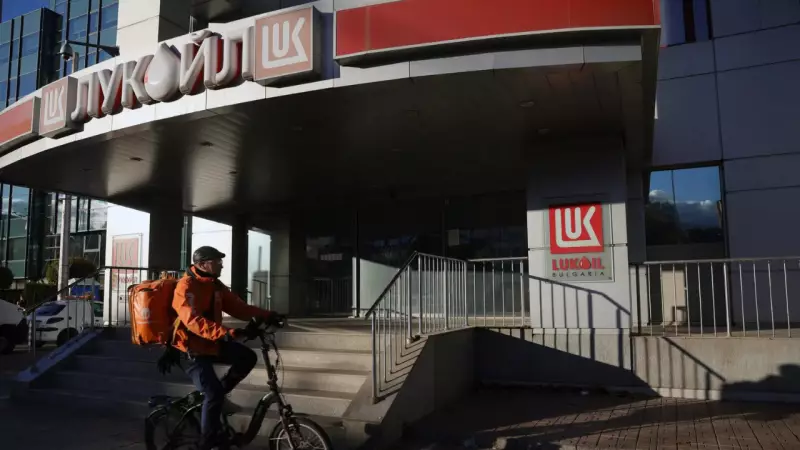
In a significant policy shift, the United States has decided to temporarily suspend certain restrictions on fuel stations operating under the Lukoil brand outside of Russia. This exemption, confirmed by the US Treasury Department, will allow these stations—including those located within America—to continue their operations without facilitating revenue flows back to Russia, which remains under stringent Western sanctions due to the conflict in Ukraine.
Details of the Temporary Exemption
The relief, reported by Reuters, is set to remain in effect until 29 April 2026. It represents a partial rollback of measures originally imposed by the administration of former US President Donald Trump in October. The announcement coincided with diplomatic engagements between US and Russian officials in Moscow, discussing a Washington-supported plan to resolve the ongoing crisis.
Lukoil maintains a considerable international retail presence. In the United States alone, the Russian energy giant operates approximately 200 fuel stations across the states of New Jersey, Pennsylvania, and New York. However, its European operations are facing challenges. The company's Finnish subsidiary, Teboil, which runs about 430 stations, has started winding down operations as supplies dwindle, with expectations that Lukoil will ultimately sell the chain.

Beyond this, Lukoil remains a dominant player in the retail fuel markets of Moldova and Bulgaria. It also manages a network of roughly 600 outlets in Turkey and over 300 in Romania.
Broader Sanctions Context and Impact on India
This specific relaxation occurs against the backdrop of far wider sanctions imposed by Washington. Earlier, the US placed major penalties on Lukoil and another Russian state-backed giant, Rosneft. Both companies were added to the Specially Designated Nationals (SDN) list, which froze their US-based assets and prohibited American firms from dealing with them. Together, these two entities account for around 55% of Russia's total petroleum output.
Businesses worldwide were given a deadline until 21 November to sever ties with these sanctioned entities or risk facing secondary sanctions that could cut off their access to crucial US banking, shipping, and insurance services.
The ripple effects of these sanctions are being acutely felt in India's energy sector. Analysts note that the US sanctions have effectively turned crude oil from Rosneft and Lukoil into a "sanctioned molecule." While India has been a major buyer of Russian crude, importing an average of 1.7 million barrels per day (bpd) this year, a sharp decline is now forecast.
Imports, which were expected to reach 1.8–1.9 million bpd in November, are projected to fall dramatically to about 400,000 bpd in December and January. Major Indian refiners, including Reliance Industries and HPCL-Mittal Energy, have reportedly paused their purchases. Currently, only Nayara Energy, which is backed by Rosneft and relies on Russian barrels, continues its supplies.
Navigating the Sanctions Framework
Experts clarify that the restrictions target specifically designated companies, not all Russian crude oil. This legal nuance allows Indian buyers to continue sourcing barrels from Russian producers not on the sanctions list, such as Gazprom Neft or Surgutneftegaz. The critical condition is that no blacklisted entity is involved in any part of the transaction chain—be it shipping, banking, or trading.
In a related compliance move, Reliance Industries has already stopped processing Russian crude at its export-oriented Special Economic Zone (SEZ) refinery. This step is in anticipation of upcoming European Union regulations that will further restrict Russian oil imports.