

US-India Trade Agreement Anticipated Within Next Quarter
NEW DELHI: The United States is poised to finalize trade agreements with key partners, including India, within the next three to four months, according to a senior government official speaking on Saturday. This timeline hinges on Washington's resolution of legal complexities surrounding tariff imposition strategies.
Legal Framework and Tariff Implications
The official clarified that New Delhi remains committed to the deal, but final details await clarity from Washington regarding President Donald Trump's approach to tariffs. This follows the US Supreme Court's rejection of using the International Emergency Economic Powers Act for imposing additional duties.
Currently, Trump has utilized Section 122 of the Trade Act to implement a 10% additional tariff on all nations. There are indications this levy could escalate to 15%, potentially lasting up to 150 days. The administration is also considering invoking other, previously unused provisions to impose levies on trade partners.

Strategic Considerations and Global Impact
The US has expressed intentions to raise duties to 15% in the near future but is carefully evaluating the repercussions on existing agreements, such as those with the United Kingdom and the European Union, where tariff reductions were previously negotiated.
India has successfully negotiated advantageous terms for its agricultural sector, securing market access for products like mangoes without conceding on farm or dairy commitments. The official addressed concerns about domestic apple and walnut producers, noting that import quantities under the deal are significantly lower than current levels and include protective safeguards.
Industry Benefits and Ministerial Assurance
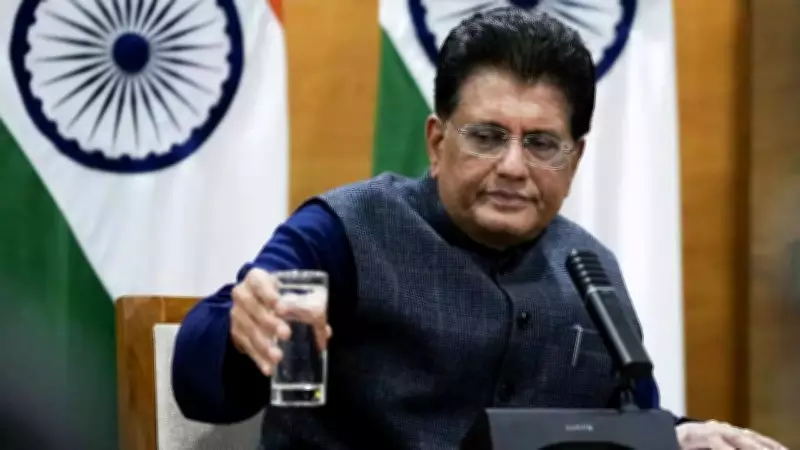
Furthermore, the deal addresses specific industrial needs, such as providing the Indian textiles sector with essential long-staple cotton fiber. At the Raisina Dialogue, Commerce and Industry Minister Piyush Goyal emphasized India's competitive edge, stating, "We secured the best trade deal among all competing nations, whether in our neighborhood like Pakistan or Bangladesh, or across the Asian region."
This development underscores India's strategic positioning in global trade negotiations, balancing agricultural interests with industrial demands while navigating the evolving US tariff landscape.






