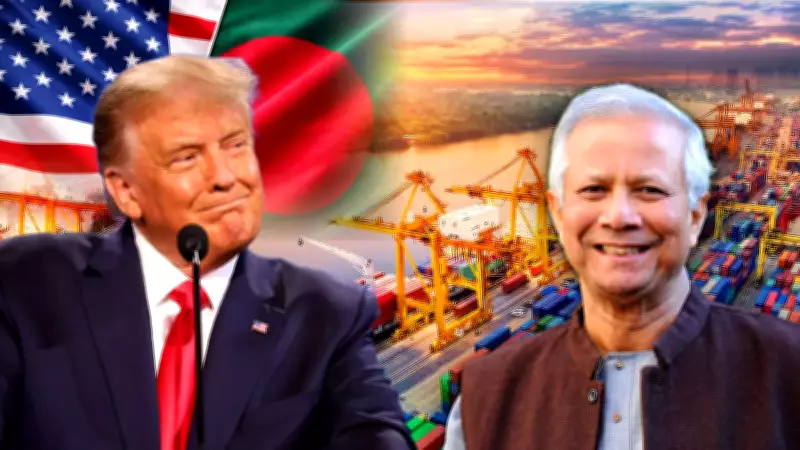
US Finalizes 19% Tariff Deal with Bangladesh, Signaling Strategic Shift in South Asia
The United States has swiftly concluded a significant trade agreement with Bangladesh, establishing a standard tariff rate of 19% on most goods. This development comes just days after Washington secured a similar breakthrough with India, highlighting a rapid recalibration of American trade priorities across South Asia.
Immediate Benefits for Bangladesh's Garment Sector
The new pact delivers prompt relief to Bangladesh's crucial garments industry, which accounts for the lion's share of the nation's exports. Under the terms, Bangladesh will enjoy zero reciprocal tariffs on specific apparel items manufactured using American raw materials. This provision is expected to enhance competitiveness and stimulate growth in a sector vital to the country's economy.
Market Access and Regulatory Concessions
In exchange for tariff reductions, Bangladesh has committed to opening its domestic markets to a range of US products. This includes machinery, vehicles, agricultural goods, and medical equipment. Additionally, Dhaka has agreed to streamline regulatory and certification processes, reducing barriers that have historically hindered trade.

Broader Economic and Strategic Implications
The agreement extends beyond traditional trade goods, encompassing aircraft purchases, energy imports, and defense-related commitments. For Bangladesh, the timing is particularly critical as the nation approaches elections amid mounting economic pressures. The deal offers a potential boost to stability and development.
For the United States, this move is part of a broader strategy to secure resilient supply chains and expand market access in a key region. It reflects Washington's intent to forge bilateral agreements that serve its economic and geopolitical interests.
Impact on Regional Trade Dynamics
The rapid succession of deals with India and Bangladesh sends a clear message to South Asia: competitive advantage is no longer automatic. Instead, it must be negotiated, measured, and time-bound. For India, this development underscores that Washington is actively resetting trade rules, potentially altering the regional economic landscape.
This agreement reinforces the US's new approach to South Asian trade, prioritizing bilateral pacts that offer mutual benefits while advancing American strategic goals. As global trade evolves, such deals are likely to shape the future of economic relations in the region.