The textile export hub of Panipat in Haryana is reeling under the impact of a massive new trade barrier. Former US President Donald Trump's proposal to impose a staggering 50 percent tariff on all imports has sent shockwaves through the local industry, which heavily relies on the American market.
A Direct Blow to the Heart of Panipat's Economy
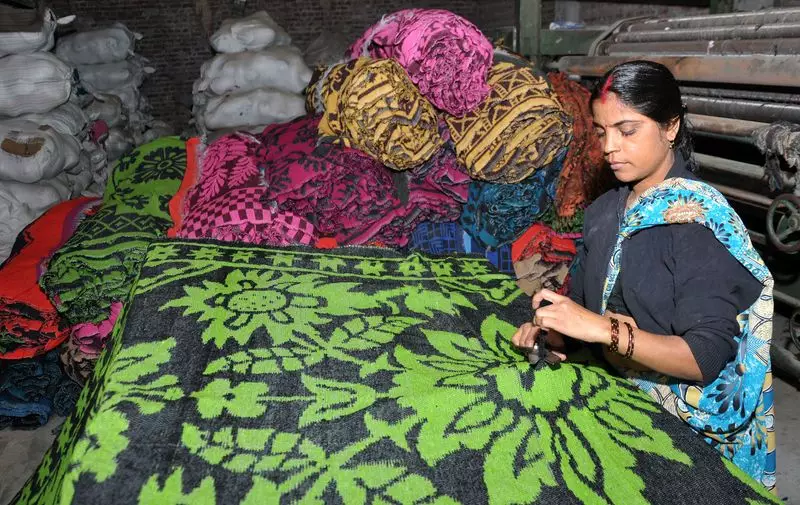
Panipat, famously known as the 'Textile City' and 'City of Weavers', has built a global reputation for its handmade durries, carpets, and other home furnishing products. For decades, the United States has been its largest export destination, absorbing a significant portion of its production. The mere announcement of a potential 50 percent import duty by Trump has caused immediate and severe disruption.
Exporters report that their orders from US-based buyers have plummeted. American importers, anticipating the drastic increase in costs, are either cancelling existing orders or putting new purchases on indefinite hold. The local industry body, the Panipat Exporters Association (PEA), has confirmed the alarming trend, stating that export work has virtually come to a standstill. This sudden freeze threatens the livelihoods of thousands of workers, from skilled weavers and artisans to those in dyeing, packaging, and logistics.

Industry Leaders Sound the Alarm and Seek Government Help
The situation has prompted urgent appeals from industry representatives. Rakesh Kumar, a former chairman of the Export Promotion Council for Handicrafts (EPCH), highlighted the devastating potential of the tariff. He explained that such a high duty would make Indian textile products prohibitively expensive in the US, destroying their competitive edge. The fear is that buyers will simply shift their sourcing to countries like Turkey, Egypt, or China, which could offer similar products without the tariff burden.
In response to the crisis, the Panipat Exporters Association has taken proactive steps. They have formally written to the Union Commerce Minister, Piyush Goyal, detailing the dire circumstances. Their plea is for the Indian government to initiate high-level diplomatic and trade negotiations with the United States to seek an exemption or a reduction in the proposed tariffs for key export items from Panipat. The industry is also exploring ways to diversify its export markets to reduce dependency on any single country, though this is a long-term strategy that offers little immediate relief.
The Human Cost and an Uncertain Future
The implications extend far beyond balance sheets. Panipat's textile sector is a major employment generator for the region. A prolonged export slump could lead to widespread job losses, factory shutdowns, and a severe economic downturn in the area. The timing is particularly bad, as the industry was hoping to recover from the setbacks caused by the global pandemic and subsequent supply chain issues.
While the proposed 50 percent tariff is currently a proposal from a presidential candidate, its impact is already being felt in real time. The uncertainty itself is a powerful deterrent for business. Exporters are now caught in a wait-and-watch mode, unable to plan production or accept new orders with confidence. The coming months will be critical, depending on the outcome of the US elections and the subsequent trade policy decisions.
The story of Panipat is a stark reminder of how global trade policies can directly impact local economies and communities. The resilience of India's MSME sector is once again being tested, and the outcome will depend on a combination of strategic government intervention and the industry's own adaptability in the face of challenging global headwinds.