

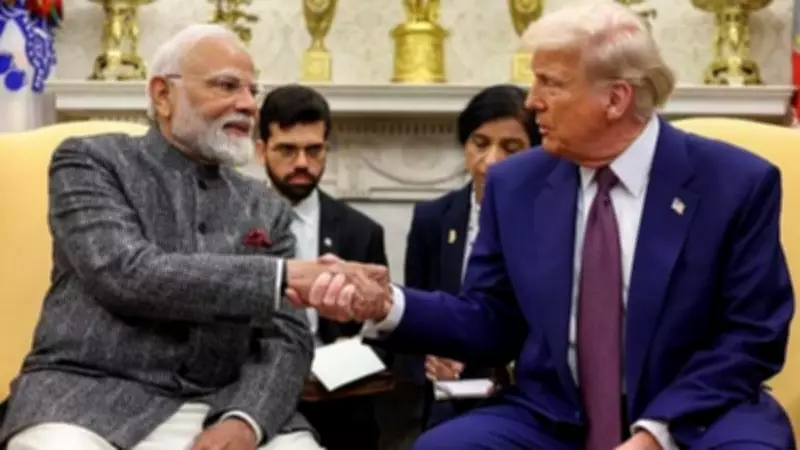
Trump's Proposed 10% Tariff: A New Challenge for India's Export Sector
Former United States President Donald Trump has announced a plan to impose a new 10% tariff on all imports into the US, a move that could significantly affect global trade dynamics, including India's economic interests. This proposal, part of Trump's broader trade policy agenda, aims to protect American industries but may lead to increased costs for Indian exporters and strained bilateral relations.
Economic Impact on India's Exports
The proposed tariff would apply to a wide range of goods, from textiles and pharmaceuticals to machinery and agricultural products, which are key export sectors for India. India exported approximately $80 billion worth of goods to the US in 2023, making it one of the country's largest trading partners. A 10% tariff could reduce the competitiveness of Indian products in the US market, potentially leading to a decline in export volumes and revenue.
Industries such as information technology services, which are less affected by tariffs, might see indirect impacts due to overall economic slowdowns. This tariff could also trigger retaliatory measures from India, escalating trade tensions and disrupting supply chains that have been built over decades.

Strategic Responses and Diplomatic Considerations
In response to this development, Indian policymakers are likely to explore several strategies to mitigate the adverse effects. These may include:
- Engaging in diplomatic negotiations with the US to seek exemptions or reductions for critical sectors.
- Diversifying export markets to reduce dependence on the US, focusing on regions like Europe and Asia-Pacific.
- Implementing domestic support measures, such as subsidies or tax incentives, to bolster export competitiveness.
Historically, trade disputes between India and the US have been managed through dialogue and agreements, but Trump's tariff proposal adds a layer of uncertainty. The timing is particularly sensitive as both countries navigate post-pandemic economic recovery and geopolitical shifts.
Broader Implications for Global Trade
Trump's tariff plan is not isolated; it reflects a trend toward protectionism in global trade policies. If implemented, it could inspire similar measures by other nations, leading to a fragmented international trade environment. For India, this underscores the need for robust trade agreements and alliances to safeguard its economic interests.
Experts suggest that while the immediate impact might be manageable, long-term consequences could include reduced foreign investment and slower economic growth. India's ability to adapt and innovate in its export strategies will be crucial in navigating these challenges.
In conclusion, Trump's proposed 10% tariff presents both risks and opportunities for India. By proactively addressing trade barriers and strengthening domestic industries, India can work to minimize negative effects and potentially emerge more resilient in the global market.






