

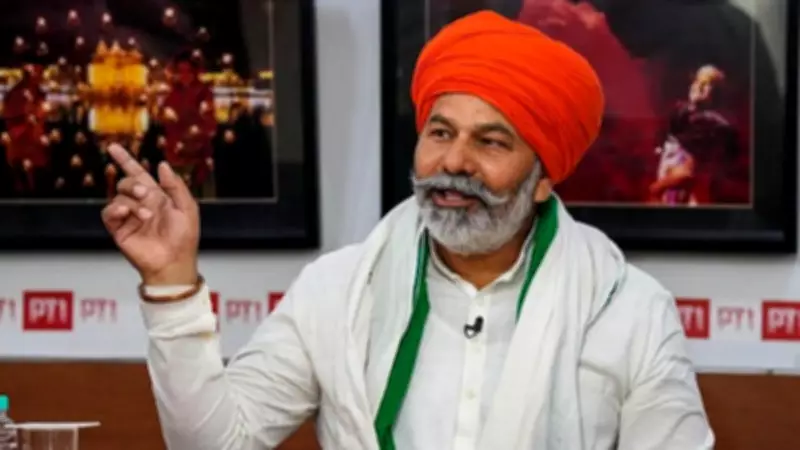
Rakesh Tikait Denounces India-US Trade Deal as 'Death Sentence' for Farmers
In a fiery statement, prominent farmer leader Rakesh Tikait has vehemently criticized the proposed India-US trade deal, labeling it a "death sentence" for the agricultural sector. Tikait, who heads the Bharatiya Kisan Union (BKU), asserted that opening the market for agriculture under this agreement would have devastating consequences for Indian farmers, threatening their livelihoods and the nation's food security.
Farmers Announce Nationwide Protests and Symbolic Burnings
Tikait announced that farmers across the country will stage widespread protests in response to the trade deal. As a symbolic act of defiance, effigies of US President Donald Trump and Indian Prime Minister Narendra Modi will be burned in villages nationwide. This dramatic gesture aims to highlight the farmers' opposition to policies they believe favor international trade interests over domestic agricultural welfare.
The Bharatiya Kisan Union has slammed the deal, arguing that it could lead to an influx of cheap foreign agricultural products, undermining local farmers and destabilizing rural economies. Tikait emphasized that such agreements often prioritize corporate profits, leaving small-scale farmers vulnerable to market fluctuations and unfair competition.

Broader Implications for Indian Agriculture and Trade Relations
This controversy comes amid ongoing negotiations between India and the United States, which seek to enhance bilateral trade ties. However, farmer groups like the BKU warn that concessions in agriculture could erode India's self-sufficiency and expose farmers to global price volatility. Tikait called for greater transparency in the deal's terms and urged the government to prioritize farmer welfare in trade discussions.
The planned protests are expected to mobilize thousands of farmers, reflecting deep-seated concerns about globalization's impact on agriculture. As tensions escalate, the government faces mounting pressure to address these grievances and ensure that trade policies do not compromise the interests of India's vast farming community.






