Congress MP Shashi Tharoor Launches Scathing Attack on Modi Government Over India-US Trade Agreement
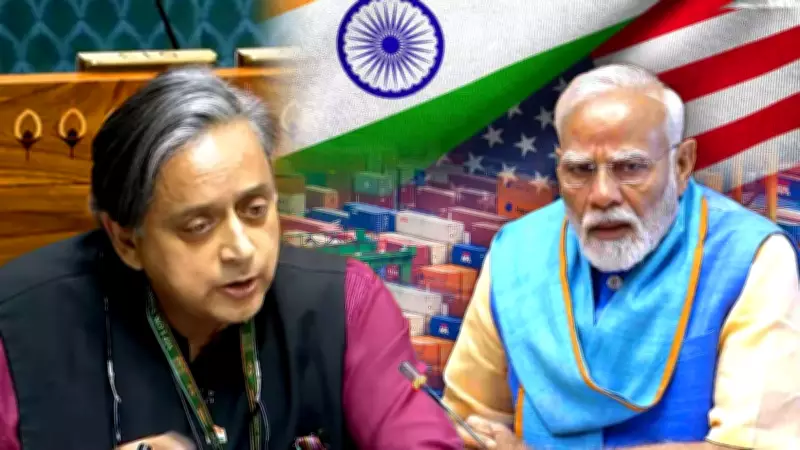
During a heated Lok Sabha debate on the Union Budget, senior Congress leader and Member of Parliament Shashi Tharoor delivered a blistering critique of the Modi government's interim trade agreement with the United States. Tharoor characterized the deal as fundamentally flawed, describing it more as a "pre-committed purchase arrangement" than a genuine free trade agreement that benefits both nations equally.
Questioning Reciprocity and Economic Sovereignty
Tharoor emphasized that the agreement appears to violate basic principles of reciprocity that should underpin any balanced international trade partnership. He expressed deep concern about India's commitment to purchase approximately $500 billion worth of American goods over a five-year period, despite what he described as a limited existing trade surplus with the United States.
The Congress leader warned that this massive purchase commitment could potentially transform India's current trade surplus into a long-term deficit, creating sustained economic pressure on the country's balance of payments and foreign exchange reserves. Tharoor argued that such one-sided arrangements undermine India's economic sovereignty and strategic autonomy in international trade negotiations.

Multiple Areas of Concern Raised
Beyond the purchase commitment, Tharoor highlighted several additional troubling aspects of the agreement:
- Tariff Reductions: Significant slashing of import duties on American products that could disadvantage domestic industries
- Agricultural Sector Vulnerability: Opening India's agricultural markets to increased competition without adequate safeguards for farmers
- Data Protection Concerns: Dilution of data localization requirements that protect Indian citizens' digital privacy
- Intellectual Property Compromises: Weakening of intellectual property safeguards that could affect pharmaceutical and technology sectors
- Energy Import Redirection: Shifting energy procurement patterns that might impact existing international partnerships
Transparency and Parliamentary Oversight Issues
Tharoor raised serious questions about the transparency of the negotiation process and the government's failure to adequately inform Parliament about critical aspects of the agreement. He specifically noted the absence of detailed information about protective measures for vulnerable sectors, including small and medium enterprises (MSMEs) and agricultural producers who might face increased competition from American imports.
The Congress MP further criticized what he described as insufficient clarity, transparency, and accountability in the budget assumptions related to the trade agreement. He argued that Parliament should have received comprehensive briefings about the economic implications and sector-specific safeguards before the government committed to such a significant international arrangement.
Broader Political and Economic Context
The criticism comes amid ongoing debates about India's trade strategy and economic diplomacy under the current administration. Tharoor's remarks reflect broader opposition concerns about the direction of India's foreign economic policy and the balance between international partnerships and domestic economic interests.
The interim trade agreement with the United States represents one of the most significant economic partnerships negotiated by the Modi government, making parliamentary scrutiny and public debate particularly important according to Tharoor's perspective. His comments underscore the continuing political divisions over economic policy as India positions itself in an increasingly complex global trade environment.