

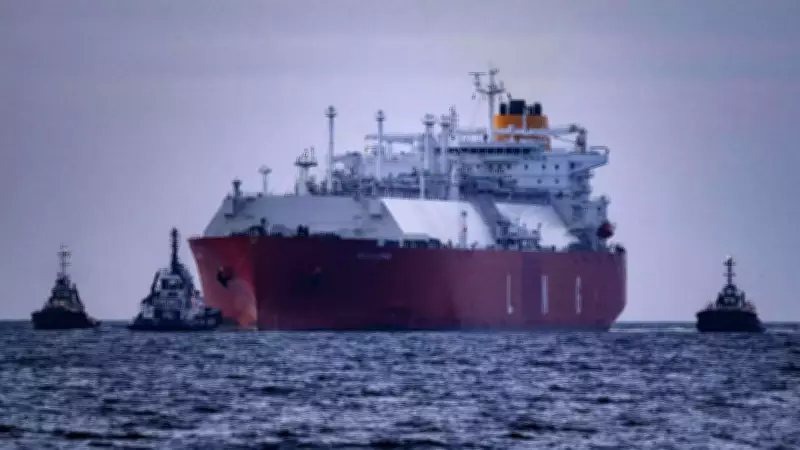
Russian LNG Cargo Sets Course for India Amid US Sanctions and Geopolitical Tensions
A significant development in global energy trade is unfolding as a Russian liquefied natural gas (LNG) cargo from the Portovaya plant on the Baltic Sea is currently en route to India. According to LSEG shipping data from Wednesday, the vessel Kunpeng is expected to arrive at the Dahej LNG terminal in India. If successfully delivered, this shipment would represent the first such delivery to India from a US-sanctioned Russian project since last year, when former US President Donald Trump claimed that Prime Minister Narendra Modi had assured a halt to purchases from Russia.
India's Stance on Energy Procurement and Diplomatic Nuances
New Delhi has never officially confirmed any commitment to stop buying Russian energy. Instead, the Indian government has consistently maintained that its procurement decisions are based on pragmatic factors such as price competitiveness, supply security, and consumer interest. This approach underscores India's position as one of the world's largest energy importers, navigating complex global dynamics to meet its domestic needs.
The current geopolitical landscape, marked by supply disruptions and price volatility triggered by the Middle East conflict and the closure of the Strait of Hormuz, further complicates India's fuel sourcing strategies. In this context, securing reliable and cost-effective energy sources remains a top priority for the nation.

Opening a New Market for Sanctioned Russian LNG
The potential delivery to India could open up a second market for US-sanctioned Russian LNG, according to a Reuters report citing Martin Senior, head of LNG pricing at the industry publication Argus. Previously, all deliveries from sanctioned Russian terminals, including Portovaya, have been routed to China's Beihai port. The Kunpeng, with a capacity of 138,200 cubic metres, departed from the Gazprom-operated Portovaya LNG plant, which has faced export disruptions following additional US sanctions imposed in January 2025 over the Ukraine war.
These sanctions are designed to curb Russia's LNG revenues and limit its production capabilities, reflecting ongoing efforts to pressure Moscow amid the conflict. The Portovaya plant, in particular, has seen its operations impacted, with exports largely limited since March 2025 to occasional shipments to China and one monthly cargo to Kaliningrad.
Strategic Implications for Russia and Global Energy Flows
The shipment to India offers Moscow a potential alternative market as it seeks to redirect LNG flows ahead of the European Union's planned ban on Russian LNG imports by 2027. This move is part of a broader strategy to diversify export destinations and mitigate the impact of Western sanctions. Earlier on Wednesday, Gazprom delivered a second post-sanctions cargo from Portovaya to China's Beihai port, as shown by LSEG data, highlighting China's continued role as a primary recipient.
Before the tightening of sanctions, Portovaya typically shipped two cargoes per month during winter, but the current restrictions have significantly reduced its export volume. The potential expansion to India could signal a shift in global energy trade patterns, with implications for:
- Energy Security: India's access to diverse LNG sources enhances its energy security amid regional conflicts.
- Diplomatic Relations: This shipment tests the boundaries of US-India relations and sanctions enforcement.
- Market Dynamics: It may influence LNG pricing and availability in the Asia-Pacific region.
As the Kunpeng approaches Indian waters, the world watches closely to see if this delivery will proceed, potentially reshaping energy diplomacy and trade routes in a volatile global landscape.






