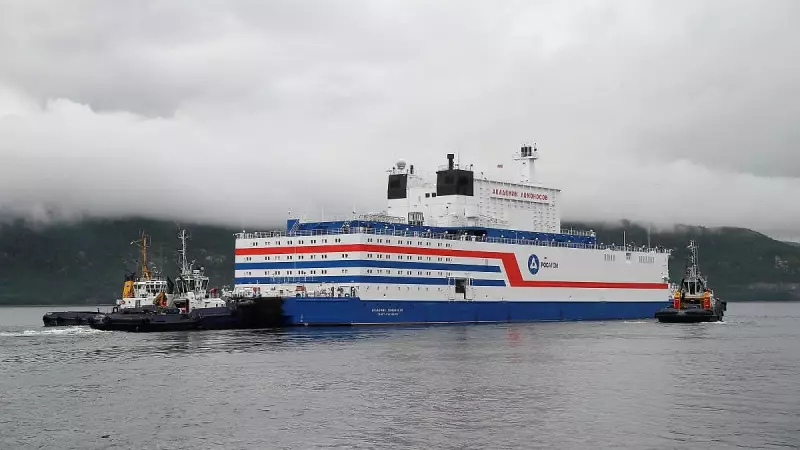
In a significant move to deepen energy cooperation, Russia has extended an offer to India to construct a cutting-edge floating nuclear power plant. This proposal, confirmed in early December 2025, draws directly from Russia's own operational experience with the world's first such facility, the Akademik Lomonosov.
The Russian Blueprint: Akademik Lomonosov
The cornerstone of Russia's proposal is its pioneering floating nuclear power plant, the Akademik Lomonosov. This unique facility is not built on land but is mounted on a massive, towable barge. It is equipped with two KLT-40S nuclear reactors, which are the same type used on Russian icebreaker ships. The plant began supplying power to the remote Pevek region in Russia's Far East in 2020, demonstrating a model for delivering energy to coastal areas without extensive land-based infrastructure.
Addressing the 'Chernobyl on Ice' Moniker
The Russian project has not been without controversy. During its development and testing phases, some environmental critics and media outlets labeled the Akademik Lomonosov as a 'Chernobyl on ice,' expressing concerns over the safety of placing reactors on a floating platform. Russian state nuclear corporation Rosatom has consistently dismissed these fears, asserting that the plant meets all international safety standards and is designed to withstand extreme environmental challenges, including tsunamis and collisions.

Strategic Implications for India's Energy Map
For India, which is actively seeking to expand its nuclear energy capacity to meet growing demand and reduce carbon emissions, the Russian offer presents an intriguing option. A floating plant could potentially power remote coastal or island territories, industrial clusters, or major port cities without the need for large-scale land acquisition, which is often a hurdle for big infrastructure projects. The proposal, made by Russian officials on 05 December 2025, represents a new chapter in the long-standing strategic and energy partnership between New Delhi and Moscow.
Analysts suggest that while the technology is novel, India will conduct a thorough evaluation of the safety, economic viability, and regulatory frameworks required for such a project. The decision will hinge on detailed technical and feasibility studies, as well as public and expert consultations on the unique aspects of operating a floating nuclear facility.