

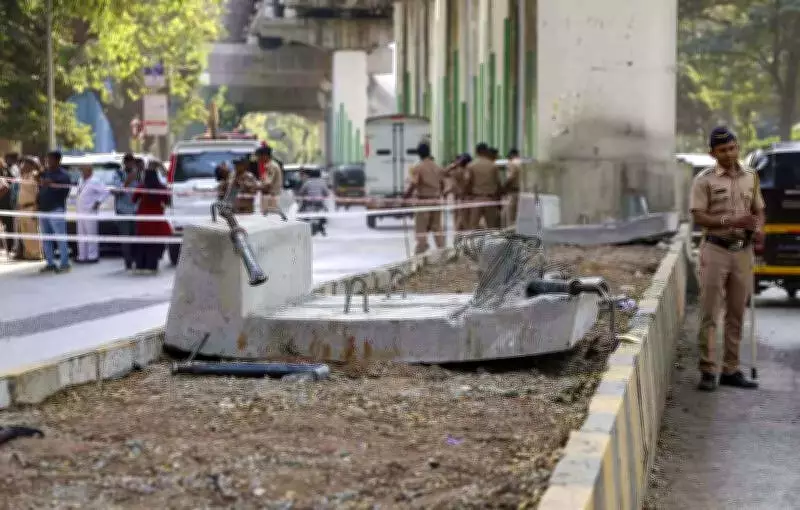
MMRDA Initiates Comprehensive Metro Safety Drive After Tragic Mulund Incident
In response to the devastating Mulund Metro accident, the Mumbai Metropolitan Region Development Authority (MMRDA) has launched an extensive region-wide structural safety initiative. This decisive action mandates thorough inspections of all under-construction Metro corridors throughout the Mumbai Metropolitan Region (MMR).
Triggered by February 14 Tragedy
The safety drive was prompted by the February 14 tragedy on Metro Line 4 in Mulund, where a 2.5-tonne parapet segment detached from an elevated viaduct and crashed onto an autorickshaw and a car below. This catastrophic incident resulted in one fatality and left three individuals injured, highlighting critical safety concerns.
Scope of Inspections Expanded
Authorities have confirmed that the inspection protocol extends beyond Metro Line 4 to encompass all ongoing elevated Metro corridors within MMR, particularly those in advanced stages of viaduct construction. Specialized teams comprising structural experts and senior engineers have been mobilized to conduct rigorous assessments.

Key inspection parameters include:
- Verification of installation quality and precision
- Assessment of reinforcement placement and structural integrity
- Evaluation of alignment stability and load-bearing capacity
- Examination of curing processes for precast concrete elements
Progress on Line 4 Inspection
As part of this comprehensive review, MMRDA has already examined approximately 20 kilometers of the 36-kilometer Wadala–Kasarvadavali–Gaimukh Metro Line 4 corridor. A senior official reported that "nothing untoward was found on the stretch whose inspection has been completed," providing some reassurance about completed sections.
Detailed Audits for Remaining Corridors
The remaining sections of Line 4, along with other ongoing metro lines, will now undergo meticulous structural audits. These evaluations will specifically focus on:
- Parapet stability and attachment systems
- Segment launching mechanisms and procedures
- Bearing installations and load distribution
- Temporary support structures used during construction phases
Metro lines currently under construction that will be inspected include:
- Phase 2 of Metro 9 (Kashigaon to Subhash Chandra Bose Stadium)
- Metro Line 2B (D N Nagar to Diamond Garden)
- Line 7A (Gundavali to Domestic Terminal)
- Line 6 (Lokhandwala to Vikhroli)
- Line 5 (Thane–Bhiwandi–Kalyan)
- Line 12 (Kalyan–Amandoot)
Operational Lines Excluded from Current Drive
Officials clarified that already commissioned lines—specifically Line 2A and Line 7 (Gundavali–Dahisar–Andheri West)—are not included in this emergency inspection initiative. These operational assets undergo regular monitoring every three months by dedicated maintenance teams, ensuring ongoing safety compliance.
Previous Safety Violations and Actions
This incident follows a pattern of safety concerns, with authorities having issued over 150 showcause notices to the project's general consultant, DB Hill-LBG group, since 2023. These notices addressed various safety, compliance, and operational lapses identified during periodic monitoring. MMRDA has disbursed a total of Rs 380 crore to this general consultant for project services.
Accountability Measures Implemented
In the wake of the Mulund tragedy, significant accountability measures have been enacted. The contractor associated with the consultant has been terminated, while departmental disciplinary proceedings have been initiated against responsible officials and engineers involved in the project oversight.
Meanwhile, Mulund police continue their investigation into the fatal concrete parapet collapse. Authorities are actively searching for welder Ram Ashish and civil consultant Suresh Sai. Preliminary findings suggest that Ashish allegedly cut two critical interlocks between parapets and left the structure inadequately secured, directly contributing to the collapse.

This comprehensive safety drive represents MMRDA's commitment to preventing future tragedies and ensuring that Mumbai's expanding Metro network meets the highest structural safety standards before becoming operational.





