Middle East Conflict Disrupts Global Supply Chains and Energy Flows
The ongoing conflict in the Middle East is causing significant disruptions to global supply chains and placing substantial pressure on energy markets, affecting imports and exports worldwide, according to a recent statement from the Confederation of Indian Industry (CII).
Impact on Maritime Routes and Industries
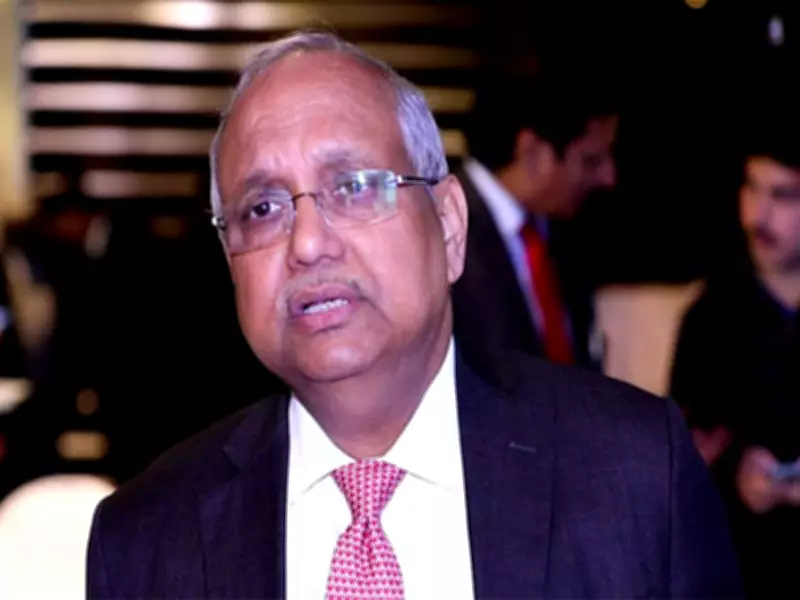
Chandrajit Banerjee, Director General of CII, highlighted that tensions in the region have severely impacted critical maritime routes, creating ripple effects across various industries. The conflict in the Middle East has disrupted critical maritime routes and placed pressure on global supply chains, energy markets, and both imports and exports, Banerjee stated.
He further explained that Indian companies are already facing operational challenges due to these disruptions. Indian companies are experiencing downstream effects, from shipment delays to constraints in key energy inputs, as well as emerging shortages in essential raw materials and intermediates across several sectors that rely heavily on timely cross border flows, he added.

India's Resilient Economic Position
Despite these challenges, Banerjee noted that India entered this turbulent period from a position of strength, bolstered by sustained economic reforms and the government's emphasis on self-reliance, known as Atmanirbharta. India, however, entered this period from a position of strength, supported by sustained reforms and the Government's emphasis on Atmanirbharta, which have significantly enhanced the economy's self-resilience, he said.
The response from both the Indian government and industry has been swift and coordinated. The response from Indian Government and Indian industry has been quick, calibrated and continuous as we move along, Banerjee emphasized.
Government Measures and Industry Adaptation
Banerjee highlighted several decisive measures taken by the government to mitigate the crisis's impact:
- Crude diversification to reduce dependency on specific regions.
- Maximization of LPG production to ensure energy security.
- Facilitation of exports to maintain trade flows.
- Stabilization of currency to manage economic volatility.
He also underscored the importance of accelerating India's transition towards sustainable energy systems. This situation reinforces the strategic importance of accelerating India's transition towards sustainable and self-reliant energy systems, Banerjee stated.
Investments in renewable energy and alternative fuels are seen as crucial for reducing vulnerability to geopolitical shocks. India's ongoing investments in renewable energy, green hydrogen, biofuels, and energy efficiency are not only climate commitments but also strategic imperatives that reduce exposure to geopolitical energy shocks, he explained.
Proactive Industry Response
Indian industry is not passively accepting these challenges but is actively adapting by diversifying energy sources and strengthening supply chains. Indian Industry is not a passive recipient of these shocks. It is actively accelerating energy diversification, optimising supply chains and protecting jobs, Banerjee said.
He welcomed government support measures, such as the RELIEF initiative, designed to help companies manage operational pressures. The Government's industry-supportive measures, such as RELIEF to help companies manage operational pressures, is very timely, he added.
Collaborative Efforts and Future Outlook
CII is working closely with the government and industry stakeholders to monitor the situation and address supply chain vulnerabilities. CII continues to work closely with the Government and industry to monitor supply chain vulnerabilities, address raw material and intermediate shortages, and provide real time feedback from affected sectors, Banerjee noted.

Expressing confidence in India's ability to navigate the crisis, he concluded that a coordinated response will help sustain economic momentum. While the situation remains challenging, we are confident that the Government's whole of government approach, combined with its partnership driven engagement with all stakeholders, will help India withstand this shock and preserve its forward economic momentum, he affirmed.