

Middle East Conflict Sparks Severe Power Crisis in Pakistan, Straining Economy and Daily Life
The ongoing conflict in the Middle East is now casting a long shadow over Pakistan, triggering a severe electricity crisis that is disrupting both households and industrial operations. Disruptions at the critical Strait of Hormuz have severely impacted global oil and gas pipelines, creating a worldwide energy supply squeeze that is forcing nations into power conservation modes.
Pakistan Grapples with Massive Power Deficit
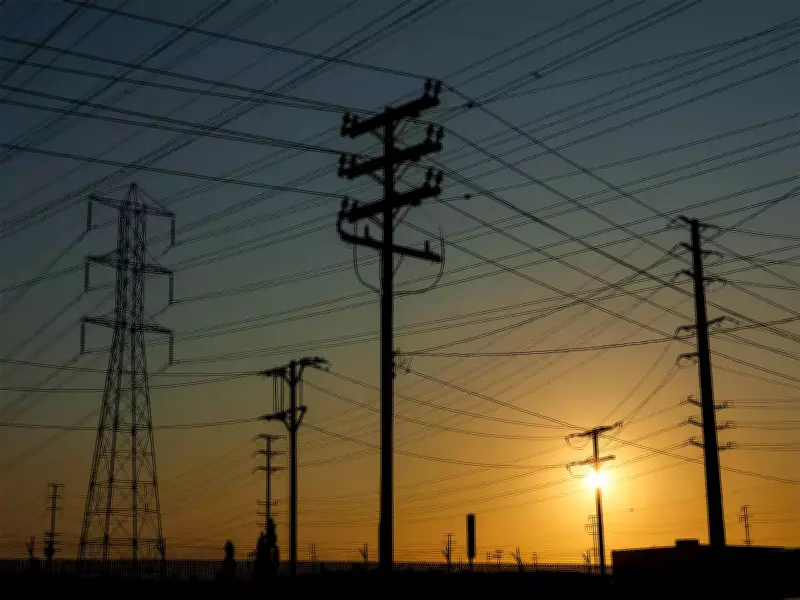
For Pakistan, the consequences have become painfully real for ordinary citizens. The country's power ministry reported to Bloomberg that on Wednesday evening, Pakistan recorded a staggering power deficit of 4,500 megawatts during peak consumption hours. This substantial shortfall represents approximately 25% of the nation's total electricity demand at that critical time.
The electricity crisis has been directly fueled by a sharp contraction in energy supplies to Islamabad. The Middle East war has effectively disrupted operations through the Strait of Hormuz, a vital maritime chokepoint for global energy shipments. Compounding the problem, attacks in early March forced Qatar to suspend exports from the world's largest liquefied natural gas (LNG) facility, further tightening supplies for the energy-dependent nation.

Worsening Outages Across the Country
According to officials cited by Bloomberg, power cuts have intensified significantly in recent days. In numerous areas, outages during peak evening hours now extend beyond two hours, exacerbated by reduced hydropower generation. Reports from across Pakistan indicate that certain regions are experiencing much more prolonged electricity disruptions, with some areas facing up to 14 consecutive hours without power.
Rural communities are bearing the brunt of these disruptions, experiencing the most severe and extended outages. The situation has created significant hardship for residents who rely on consistent electricity for daily necessities and economic activities.
Industrial Sector Crippled by Power Shortages
The crisis extends far beyond residential areas, severely impacting Pakistan's industrial and manufacturing sectors. Businesses are confronting electricity shortages lasting up to eight hours, creating operational challenges that threaten both export capabilities and local production.
Atif Ikram Sheikh, President of the Federation of Pakistan Chambers of Commerce & Industry, emphasized the severity of the situation to Bloomberg. "Industry is facing around eight hours of loadshedding. It will affect both exports and local manufacturing," he stated, highlighting the broad economic implications of the power crisis.
Pakistan's Energy Dependency and Financial Challenges
Pakistan's vulnerability stems from its near-total dependence on Qatar for LNG imports, which are crucial for electricity generation. With these supplies disrupted, authorities are considering turning to the spot market for alternative fuel sources, though significantly higher prices present a substantial financial obstacle.
People familiar with the matter indicated that imported fuel would only become economically viable if global energy prices experience a meaningful decline. Meanwhile, the Pakistani government is working to stabilize its financial position, announcing on Wednesday that it secured $3 billion in financial support from Saudi Arabia. This assistance could help meet loan repayment obligations to the United Arab Emirates.
Geopolitical Context and Future Outlook
The energy crunch has now entered its seventh consecutive week and shows signs of intensifying rather than abating. The most recent round of peace talks between the United States and Iran concluded without resolution, though early indications suggest some easing of tensions might be emerging.
This slight diplomatic progress comes amid growing expectations for conflict resolution, with the White House expressing optimism about reaching an agreement to end hostilities with Iran. However, American officials have simultaneously warned that economic pressure on Tehran would increase substantially if the country continues its defiant stance.

As Pakistan navigates this complex energy crisis, the interconnected nature of global conflicts and energy markets has become starkly apparent, with geopolitical events thousands of miles away directly impacting electricity availability for millions of Pakistani citizens and businesses.





