

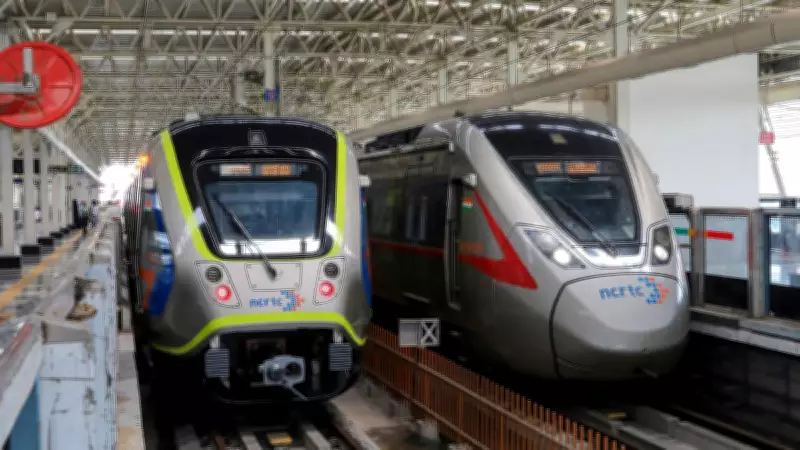
Meerut Metro Set to Become India's Fastest Transit System
The ambitious Meerut Metro project is poised to set a new benchmark for urban transportation in India, with plans to become the country's fastest metro system. According to recent announcements, the project promises to slash travel time across the city to a mere 30 minutes from end to end, a significant improvement over current transit options. This development is part of a broader push to enhance connectivity and reduce congestion in Meerut, a rapidly growing urban center in Uttar Pradesh.
Proposed Speed and Technical Specifications
The proposed speed for the Meerut Metro is designed to outpace existing metro systems in India, targeting operational speeds that could reach up to 80-100 kilometers per hour on certain stretches. This would make it notably faster than metros in cities like Delhi or Mumbai, which typically operate at lower average speeds due to frequent stops and dense urban layouts. The project includes advanced signaling systems and modern rolling stock to ensure safety and efficiency at these higher velocities.
Key features of the Meerut Metro include elevated corridors to minimize land acquisition issues and reduce construction time, as well as energy-efficient designs that align with sustainable development goals. The alignment is planned to cover major residential, commercial, and industrial areas, providing seamless connectivity and boosting local economic activity.

Timeline and Expected Completion by 2026
The Meerut Metro is on track for completion by 2026, with phased construction already underway. Authorities have outlined a detailed timeline that includes land acquisition, tendering processes, and actual construction phases. By 2026, the system is expected to be fully operational, offering residents a reliable and swift mode of transport that could transform daily commutes and reduce dependency on private vehicles.
This timeline aligns with broader infrastructure initiatives in Uttar Pradesh, aiming to improve urban mobility ahead of anticipated population growth. The project's completion by 2026 is seen as a critical milestone in Meerut's development, potentially attracting investments and enhancing the city's livability index.
Impact on Urban Mobility and Economic Growth
The introduction of the Meerut Metro is anticipated to have a profound impact on urban mobility, reducing travel times by up to 50-60% compared to current road-based transport. This efficiency gain is expected to alleviate traffic congestion, lower pollution levels, and improve overall quality of life for residents. Moreover, the metro system is likely to spur economic growth by facilitating easier access to job markets, educational institutions, and healthcare facilities.
From a broader perspective, the Meerut Metro could serve as a model for other mid-sized cities in India seeking to upgrade their transit infrastructure. Its focus on speed and efficiency highlights a shift towards high-performance public transport systems that can keep pace with urbanization trends.
Challenges and Future ProspectsDespite the promising outlook, the Meerut Metro project faces challenges such as funding constraints, logistical hurdles in construction, and the need for robust operational planning. However, with strong governmental support and public-private partnerships, these obstacles are being addressed to ensure timely delivery. Looking ahead, the success of this project could inspire similar initiatives across India, reinforcing the country's commitment to modernizing its urban transit networks.






