

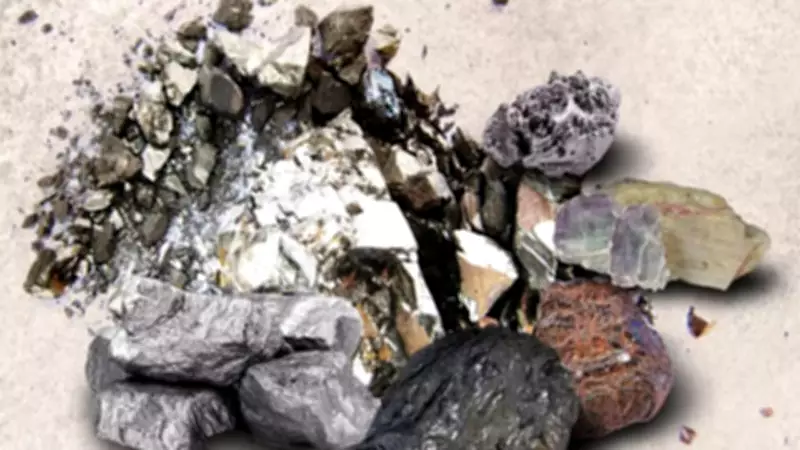
Japan and India in Advanced Talks for Joint Rare Earth Exploration in Rajasthan
Japan is currently engaged in high-level discussions with India to jointly explore and develop rare earth mineral deposits located in the state of Rajasthan. This strategic move is part of Tokyo's broader initiative to significantly reduce its reliance on China for critical minerals essential for manufacturing high-strength permanent magnets.
Background and Recent Developments
The negotiations follow a preliminary agreement on critical minerals that was signed between the two nations last year. According to sources with direct knowledge of the decision-making process, Japan has expressed particular interest in the Rajasthan deposits and is preparing to dispatch technical experts to conduct site assessments. These individuals requested anonymity due to the confidential nature of the ongoing talks.
Last month, Union Minister G. Kishan Reddy revealed that three significant hard rock rare earth deposits, containing an estimated 1.29 million metric tons of rare earth oxides, have been identified across Rajasthan and Gujarat. This discovery has accelerated bilateral discussions.

Proposed Collaboration Framework
Under the proposed arrangement, the Japanese government would provide advanced extraction technology and substantial funding for the Rajasthan projects. In return, Japan would secure a stable, long-term supply of processed rare earth elements. Sources emphasized that the hard rock deposits in Rajasthan require specialized extraction techniques that are not currently available within India's domestic capabilities.
Naoki Kobayashi, deputy director at Japan’s Ministry of Economy, Trade and Industry (METI), confirmed that Japan is actively examining mining projects worldwide to diversify its mineral supply chains, including for rare earths. However, Kobayashi specifically denied any discussions regarding particular corporate partnerships or technology transfers related to the Rajasthan sites.
Strategic Importance for Both Nations
For India, this partnership aligns with its national goal of decreasing dependence on Chinese imports by developing industrial-scale facilities capable of processing rare earth elements to high purity levels. Japan's potential technological assistance is seen as crucial to achieving this objective.
Rare earth elements are indispensable for manufacturing permanent magnets used in electric vehicle motors, wind turbines, fighter jets, and drones—all sectors deemed critical to India's economic and technological growth trajectory.
Geopolitical Context and Broader Initiatives
These developments occur against a backdrop of escalating tensions between Japan and China. Recently, China imposed export restrictions on dual-use items—materials with both civilian and military applications—targeting 20 Japanese entities that Beijing alleges supply Japan's military. This action effectively blocks Japanese companies from accessing seven rare earth elements and other critical minerals currently on China's controlled list.
Beyond rare earths, Japan is also seeking collaborative ventures with Indian companies to explore and develop other critical minerals, including lithium, copper, and cobalt, particularly in resource-rich African nations, according to one source involved in the discussions.
The Japan-India rare earth initiative represents a significant step in reshaping global supply chains for critical minerals, emphasizing strategic autonomy and technological cooperation between two major Asian economies.






