Iran Conflict Severely Disrupts India's Fertilizer and Raw Material Supply Chain
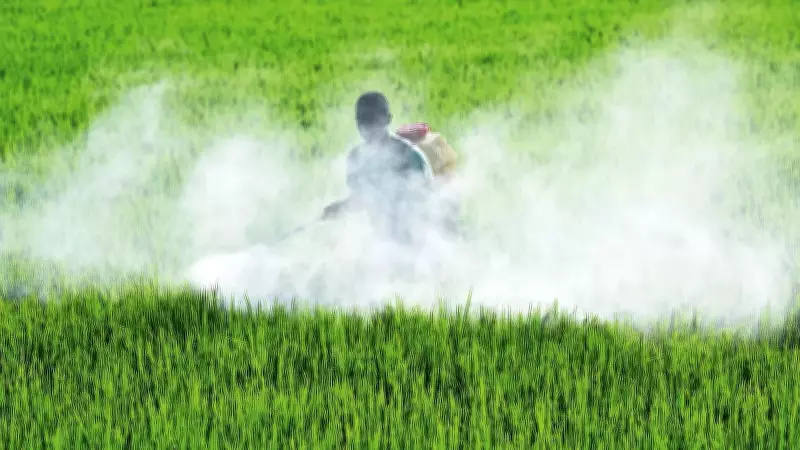
The ongoing military conflict involving Iran has delivered a significant shock to global supply chains, with India facing critical shortages beyond just cooking gas and crude oil. The war has severely interrupted imports of essential fertilizers and, crucially, the liquefied natural gas (LNG) required as a primary raw material for manufacturing these agricultural inputs domestically. This disruption poses a direct threat to India's food security and agricultural productivity at a time when global tensions are already high.
Agricultural Experts Push for Costly Long-Term Self-Sufficiency Projects
In response to this supply crisis, leading agricultural experts and industry stakeholders are urgently demanding the launch of major, capital-intensive projects aimed at achieving greater fertilizer self-sufficiency for India. These proposed initiatives would involve enormous financial outlays, potentially running into billions of dollars, and are projected to require decades for full implementation and to yield tangible results. The long timeline highlights the profound challenge of securing such a vital agricultural input independently in a volatile geopolitical landscape.
An Innovative and Underexplored Solution: Harnessing Air Pollution
However, a fascinating and largely overlooked alternative solution may exist much closer to home, embedded within one of India's most pressing environmental crises. The nation suffers from notoriously severe air pollution, characterized by dangerously high atmospheric concentrations of nitrogen and sulphur compounds. This pollution creates a thick, hazardous smog that blankets many urban and rural areas, representing a grave and ongoing public health emergency.

The health impacts are devastating: The particulate matter smaller than 2.5 microns, known as PM2.5, is particularly lethal. These fine particles penetrate deep into lung tissue and the bloodstream, directly causing fatal heart diseases, strokes, chronic respiratory illnesses, and a host of other serious health conditions that burden the nation's healthcare system.
Turning a Crisis into an Opportunity: Capturing Nitrogen for Fertilizer
This environmental disaster, paradoxically, could hold the key to mitigating the fertilizer shortage. The same nitrogen oxides that poison the air are chemically similar to the nitrogen compounds that form the backbone of most synthetic fertilizers. Emerging technologies and conceptual frameworks suggest the possibility of capturing these pollutants directly from the atmosphere. Through advanced chemical processes, the captured nitrogen could potentially be converted into usable fertilizer components.
This approach would tackle two monumental problems simultaneously: it would help cleanse the dangerously polluted air, improving public health outcomes, while also creating a new, domestic source of a critical agricultural raw material. This innovative strategy presents a potential pathway to enhance India's resilience against external supply shocks, like the one caused by the Iran conflict, by turning a domestic liability—air pollution—into a strategic asset. It represents a compelling area for urgent research, investment, and policy development.