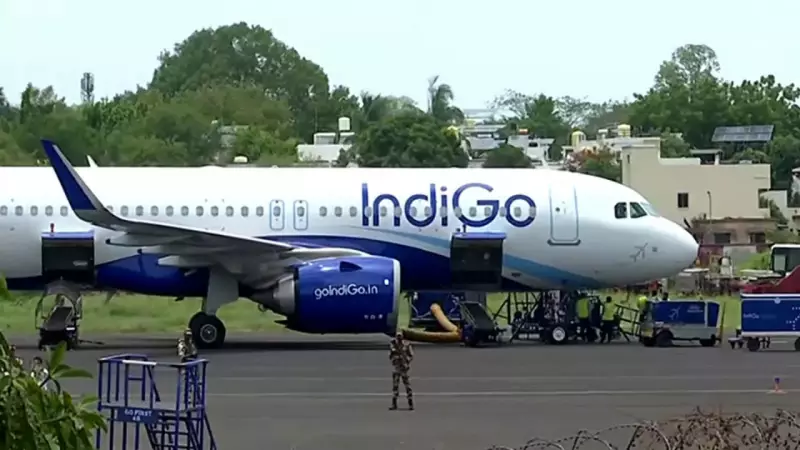
India's largest airline, IndiGo, is grappling with severe operational disruptions that have left thousands of passengers stranded and frustrated. The crisis peaked on Wednesday with the cancellation of over 200 flights across major Indian cities, prompting an immediate investigation by the aviation regulator.
Widespread Cancellations Hit Major Hubs
The flight cancellations were not isolated to one region but created a domino effect across the country's busiest airports. In Hyderabad alone, more than 40 arrivals and departures were scrapped. Kolkata witnessed both legs of at least 10 flights being cancelled, while Bengaluru's Kempegowda International Airport saw over 42 IndiGo flights axed. Key metros like Delhi were also significantly impacted, leading to scenes of chaos and confusion at terminals.
This wave of cancellations is part of a larger pattern of instability. Official data reveals that IndiGo cancelled a staggering 1,232 flights in November, even before the current crisis intensified in early December. The airline's on-time performance, a critical metric for reliability, plummeted to 67.70% in November from 84.1% in October, indicating a sharp decline in operational efficiency.

Root Causes: Crew Shortage and Regulatory Changes
In its official statements, IndiGo has pointed to a confluence of factors behind the meltdown. A primary reason cited is an acute shortage of available crew, exacerbated by the recent implementation of the second phase of Flight Duty Time Limitations (FDTL) norms. These stricter rules govern pilot and cabin crew rest periods and duty hours.
The airline explained that the new FDTL norms have significantly reduced the flexibility to roster reserve crew at short notice. When combined with other challenges, the impact was severe. "Minor technology glitches, schedule changes linked to the winter season, adverse weather conditions, increased congestion in the aviation system, and the implementation of updated crew rostering rules had a negative compounding impact on our operations," an IndiGo spokesperson stated.
Regulatory Scrutiny and Passenger Fallout
The scale of the disruption has drawn swift action from the Directorate General of Civil Aviation (DGCA). The aviation watchdog has launched a formal probe into the ongoing chaos and summoned IndiGo officials to its headquarters. The DGCA has demanded a detailed explanation for the disruptions and a concrete mitigation plan to curb further cancellations and delays.
Passenger anger is mounting across social media and airport lounges. Numerous flyers reported receiving minimal or no prior intimation about cancellations, leaving them stranded for hours. Many missed important business meetings, weddings, and connecting international flights. In response, IndiGo issued a public apology and stated it is making "calibrated adjustments" to its schedule over a 48-hour period to restore normalcy. The airline claims it is offering alternative travel options or refunds to affected passengers.
The crisis has also sparked industry-wide concerns. The Airline Pilots' Association of India (ALPA) suggested the situation highlights a failure in proactive resource planning by carriers and expressed worry that it might create pressure to dilute the newly introduced safety-focused FDTL norms.
With IndiGo operating over 2,200 daily flights, its operational stability is crucial for the entire Indian aviation sector. The coming days will be critical as the airline works to implement its recovery plan under the close watch of regulators and an increasingly impatient flying public.