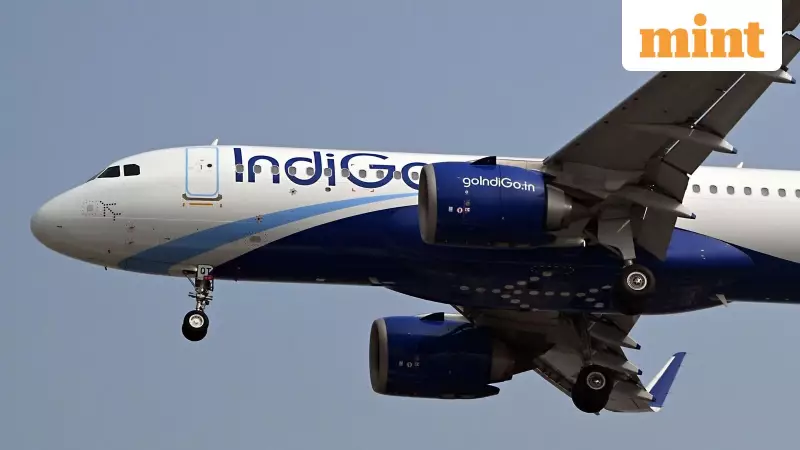
India's largest airline, IndiGo, was plunged into severe operational chaos on Wednesday, with a cascade of failures leading to over 200 flight cancellations and widespread delays. The disruptions created scenes of frustration at major airports across the country, stranding thousands of passengers and prompting an immediate investigation by the aviation regulator, the Directorate General of Civil Aviation (DGCA).
The Core of the Crisis: New Rules and Technical Failures
The turmoil originated from a perfect storm of operational challenges. The primary trigger was the airline's struggle to comply with the newly enforced, stricter Flight Duty Time Limitations (FDTL) norms, which are designed to combat pilot fatigue. These rules, implemented in phases starting July 1 and fully effective from November 1, mandate 48 hours of weekly rest for pilots, extend night-time definitions, and reduce permitted night landings from six to two.
Compounding this compliance challenge was an unexpected technical directive. Following an altitude drop incident on a JetBlue flight on October 30, the European Union Aviation Safety Agency issued an emergency software patch for Airbus A320-family aircraft. This update affected approximately 200 of IndiGo's 366 active Airbus planes. The patch installation caused significant flight delays, which in turn pushed many crew schedules beyond the legal limits set by the new FDTL rules, forcing mass cancellations to stay compliant.

Further crippling operations, IndiGo's baggage handling systems at Delhi's Terminal 1 and Terminal 3 experienced malfunctions. While the T3 issue was minor, T1 faced severe problems from around 1:30 PM to 6:00 PM, severely hampering baggage processing.
Nationwide Impact and Passenger Anger
The domino effect of these issues led to a nationwide collapse in on-time performance. By Wednesday evening, passenger anger was palpable at airports. The airline confirmed its network was severely impacted, warning of continued disruptions through Friday. Key cancellation figures for the day included:
- 67 flights scrapped in Delhi (37 departures, 30 arrivals)
- 42 flights cancelled in Bengaluru
- 40 flights affected in Hyderabad (19 departures, 21 arrivals)
- 33 flights cancelled in Mumbai (17 departures, 16 arrivals)
IndiGo's on-time performance plummeted to a mere 35% on Tuesday, the worst among Indian carriers and a sharp fall from its typical 80% benchmark. The airline issued a public apology, stating its teams were working around the clock to stabilize operations and offering affected passengers alternate arrangements or refunds.
DGCA Investigation and Structural Challenges
The DGCA swiftly summoned IndiGo officials for a full explanation. The regulator revealed that 1,232 IndiGo flights had already been cancelled in November alone, prior to this latest crisis. The reasons breakdown as follows: 755 due to FDTL and crew constraints, 258 from airspace restrictions, 92 due to ATC system failures, and 127 for other reasons.
The Airline Pilots' Association (ALPA) criticized the situation, calling it a "failure of proactive resource planning" and hinting that airlines might be trying to pressure the regulator to dilute the new safety norms for commercial gain. They urged the DGCA to consider pilot availability when approving flight schedules.
While IndiGo has implemented "calibrated adjustments" to its schedule for 48 hours to recover, the crisis highlights deeper structural issues. The combination of an acute pilot shortage, stringent new safety regulations, and a fleet requiring urgent technical updates poses significant challenges for the airline's near-term operations. Passengers are advised to check their flight status on the airline's website before heading to the airport.