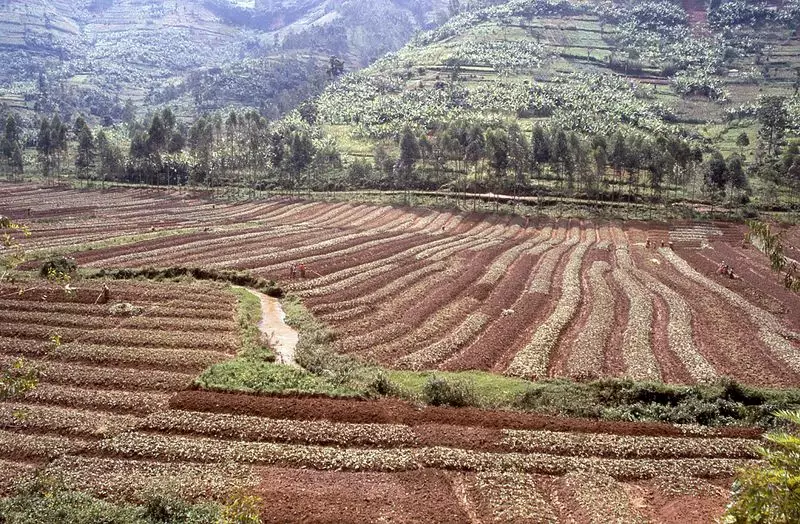
Beneath the vibrant tapestry of India's agricultural landscape lies a complex world of diverse soils that silently dictates what grows where and how abundantly. The remarkable variety of soil types across different regions has fundamentally shaped the country's farming practices, crop patterns, and ultimately, its food security.
The Geological Mosaic: India's Eight Major Soil Types
India's geological diversity gives rise to eight major soil classifications that create distinct agricultural zones across the subcontinent. Alluvial soils, covering approximately 45% of India's total land area, dominate the fertile plains of the Indus-Ganga-Brahmaputra river systems. These young, mineral-rich soils make northern India the country's breadbasket, supporting extensive wheat and rice cultivation.
In the Deccan Plateau, black soils, also known as regur or cotton soils, cover about 16% of India's land area. Their unique capacity to retain moisture makes them ideal for cotton, sorghum, and pulses. Meanwhile, the red soils that paint much of peninsular India support a different agricultural profile, being particularly suitable for groundnuts, millets, and tobacco cultivation.

Other significant soil types include laterite soils found in high rainfall areas of Karnataka, Kerala, and Madhya Pradesh; desert soils in Rajasthan and parts of Gujarat; mountain soils in the Himalayan region; and saline and alkaline soils in drought-prone areas of Punjab, Uttar Pradesh, and Maharashtra.
The Growing Soil Health Crisis
Despite this natural wealth, India faces an escalating soil health crisis that threatens agricultural productivity and food security. Nearly 30% of India's total geographical area is undergoing degradation, with alarming consequences for the farming sector that employs over 50% of the population.
The crisis manifests in multiple forms: nutrient depletion, soil acidity, salinity, and declining organic matter content. Intensive farming practices, excessive use of chemical fertilizers, and inadequate soil conservation measures have accelerated this degradation. The problem is particularly acute in states like Punjab and Haryana, where the rice-wheat cropping cycle has severely depleted soil nutrients despite high productivity.
Soil testing reveals that most Indian soils show deficiencies in multiple nutrients, with many regions reporting insufficient levels of nitrogen, phosphorus, zinc, and iron. This nutritional imbalance not only reduces crop yields but also affects the nutritional quality of food produced.
Regional Impacts and Agricultural Consequences
The soil crisis impacts different regions in distinct ways, reflecting their unique soil characteristics and agricultural patterns. In the black soil regions of Maharashtra and Madhya Pradesh, soil erosion and declining water retention capacity threaten cotton and soybean production. Coastal areas face increasing soil salinity due to rising sea levels and improper irrigation practices.
The Himalayan states confront different challenges, where deforestation and construction activities accelerate soil erosion, damaging the fragile mountain ecosystem and affecting horticulture and terrace farming. Meanwhile, the red soil regions of southern India struggle with nutrient leaching and acidity problems that limit agricultural productivity.
These soil-related issues contribute to wider agricultural crises, including stagnating yields, rising production costs, and increasing farmer distress. The connection between soil health and water availability further compounds the problem, as degraded soils have reduced capacity to absorb and retain moisture.
Pathways to Soil Revival and Sustainable Agriculture
Addressing India's soil health challenge requires a multi-pronged approach that combines traditional wisdom with modern science. The government's Soil Health Card Scheme represents a significant step toward promoting soil test-based nutrient management. This initiative aims to provide farmers with customized recommendations for improving soil health.

Organic farming practices, integrated nutrient management, and conservation agriculture offer promising solutions. Increasing soil organic carbon content through methods like composting, green manuring, and crop residue management can significantly enhance soil fertility and water-holding capacity.
Agroforestry, contour farming, and terrace cultivation in hilly regions can help control soil erosion. In areas with acidic soils, application of soil amendments like lime can correct pH imbalances. For saline and alkaline soils, proper drainage and selection of salt-tolerant crop varieties show positive results.
The future of India's agriculture and food security depends fundamentally on how effectively the country addresses its soil health crisis. Protecting and rejuvenating this precious resource requires concerted efforts from farmers, policymakers, researchers, and consumers alike. As climate change intensifies weather uncertainties, healthy soils will become increasingly crucial for building resilient farming systems capable of withstanding environmental stresses.
Understanding the intimate connection between the earth beneath our feet and the food on our plates represents the first step toward creating a sustainable agricultural future for India. The diversity of Indian soils, while presenting challenges, also offers opportunities for developing region-specific solutions that respect local ecological conditions while ensuring food security for generations to come.