India Welcomes Crude Oil Tankers as Maritime Movement Shows Signs of Easing
In a significant development for global energy trade, India has successfully received three crude oil tankers at its ports after they navigated through the Strait of Hormuz, a critical chokepoint that has been marred by heightened tensions in recent weeks. This movement comes as two additional vessels are scheduled to arrive in the coming days, indicating a cautious but notable resumption of maritime traffic in the region.
Upcoming Voyages and Regional Risks
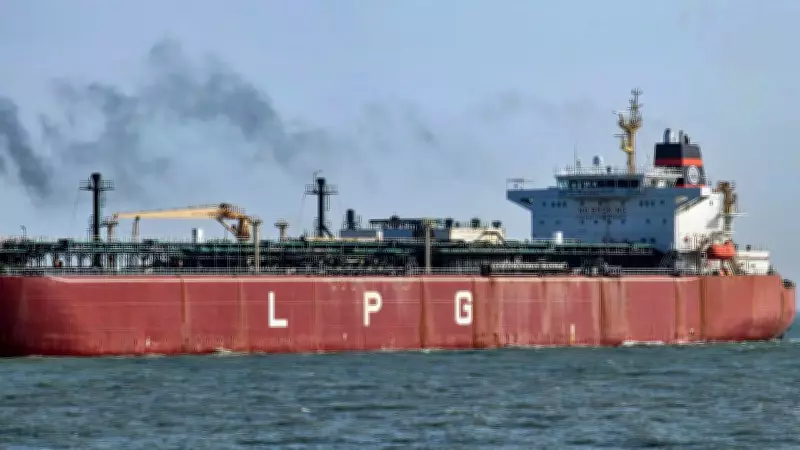
According to Reuters, two Indian-flagged LPG tankers, Pine Gas and Jag Vasant, are currently docked near the UAE's Sharjah port and are preparing to sail through the Strait of Hormuz. Ship-tracking data confirms their readiness, with both vessels expected to set sail imminently. This potential resumption is crucial, as the strait handles nearly 20% of global oil and liquefied natural gas flows, making it a vital corridor for energy supplies worldwide.
However, the situation remains precarious. Following Iran's warnings of possible attacks on vessels attempting to exit the Gulf, significant disruptions have occurred. In the past 24 hours, no crude oil tankers transited the strait, and hundreds of ships have anchored in Gulf waters, awaiting clarity on safe passage. The ongoing conflicts, including the Israel-Iran war and broader US-Israel-Iran tensions, have exacerbated risks, with recent missile barrages prompting defensive responses from countries like the UAE and Kuwait.

Diplomatic Efforts and Safety Measures
Despite these challenges, India has been proactive in ensuring the security of its maritime fleet. External Affairs Ministry spokesperson Randhir Jaiswal emphasized the need for safe and unhindered movement of Indian vessels, highlighting that Prime Minister Narendra Modi is engaged in discussions with global leaders to secure safe passage in the Gulf. These diplomatic engagements have yielded results, as Iran recently allowed Indian-flagged vessels to pass through the strait.
Authorities in India are closely monitoring the evolving crisis. The Directorate General of Shipping is coordinating with shipowners, agencies, and Indian missions in the Gulf to manage risks and minimize disruptions. Additionally, ports across the country have been advised to implement support measures, including concessions on charges, to ensure smooth handling of cargo during this turbulent period.
Successful Transits and Cargo Details
The three Indian-flagged tankers that have already completed their journeys represent a milestone in maintaining energy supplies. The latest arrival, the tanker Jag Laadki, docked at Mundra port in Gujarat on Wednesday, carrying approximately 80,886 metric tonnes of crude oil sourced from the UAE. Earlier, vessels MT Shivalik and MT Nanda Devi reached Indian shores, transporting a combined total of around 92,712 metric tonnes of LPG. These successful transits underscore India's efforts to ensure a continued supply of essential fuels despite regional maritime disruptions.
As the global community watches the situation unfold, India's strategic moves in the Gulf highlight its commitment to safeguarding its economic interests while navigating complex geopolitical landscapes. The arrival of these tankers and the planned voyages of others signal a tentative easing in maritime movement, though vigilance remains paramount amid ongoing tensions.