

Hormuz Shock: India's LPG Crisis Reflects Global Energy Turmoil
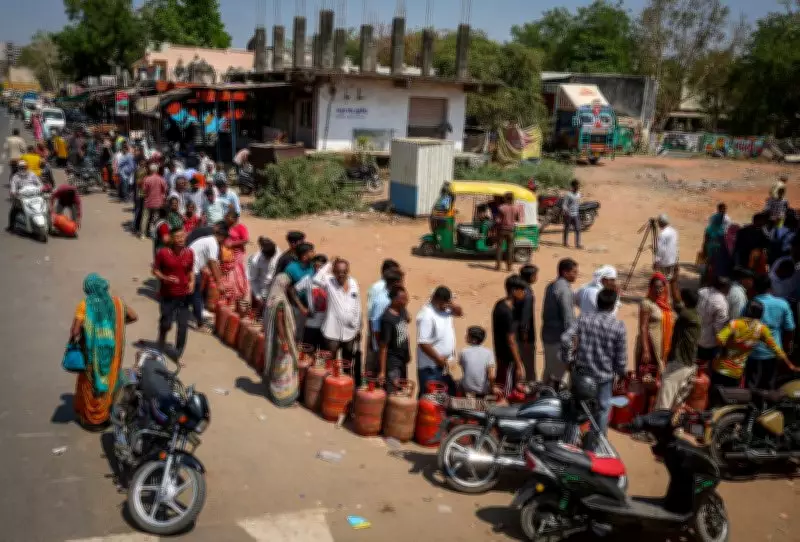
The conflict triggered by US-Israeli strikes on Iran and Tehran's retaliation has severely disrupted shipping through the critical Strait of Hormuz. This disruption has pushed global oil prices soaring past the $100 per barrel mark, sending shockwaves through energy markets worldwide. For India, the immediate and tangible impact is already visible in a significant LPG shortage, forcing restaurants, small businesses, and countless households into anxious improvisation and adaptation.
Structural Dependence Exposed
The core of the problem lies in India's structural energy dependence. The nation imports approximately 80% of the oil it consumes, with a substantial share of these vital supplies flowing through the narrow and strategically vulnerable Hormuz passage. When this crucial maritime artery falters, the effects travel with alarming speed from tankers navigating the high seas directly to kitchens across the country. The government's recent decision to prioritise domestic LPG supply for households while curbing allocations for commercial entities has starkly exposed the underlying fragility of India's energy security framework.
An Unexpected and Ironic Relief
Ironically, some relief in this crisis has arrived from an entirely unexpected direction. The United States, which had previously pressured New Delhi to significantly reduce its purchases of Russian crude oil, has now granted a one-month sanctions waiver. This waiver permits all countries, including India, to resume buying Russian oil. This abrupt and significant policy shift underscores the deeply transactional and often unpredictable nature of global energy politics. What was portrayed as unacceptable just yesterday has, under the pressure of crisis, become a vital necessity today.

Diplomatic Lessons and Strategic Imperatives
This unfolding crisis also carries a crucial diplomatic lesson for India. In the early days of the West Asia conflict, New Delhi appeared to tilt perceptibly towards Israel, reflecting both established strategic ties and domestic political signalling. However, as the severe economic consequences of the conflict ripple destructively through global energy markets, India has quietly but firmly returned to its traditional middle-path diplomatic stance. This approach involves maintaining open channels with all sides while unwaveringly prioritising national interest.
That balanced approach must now decisively guide future policy. Diversifying supply routes, aggressively expanding strategic petroleum reserves, and accelerating investment in renewable energy are no longer merely desirable economic goals; they have become urgent strategic imperatives. When a distant geopolitical flashpoint like the Strait of Hormuz can disrupt the daily meal preparation for millions of citizens, achieving true energy independence transforms from a policy objective into an undeniable national necessity.






