India Welcomes First Iranian Oil Shipment in Over Four Years
In a landmark development for India's energy sector, the nation has received its first cargo of Iranian crude oil since 2019. The shipment, which has successfully arrived at the Gujarat coast, signals a potential revival of energy trade ties between India and Iran after a prolonged hiatus due to international sanctions and geopolitical pressures.
Details of the Historic Cargo Arrival
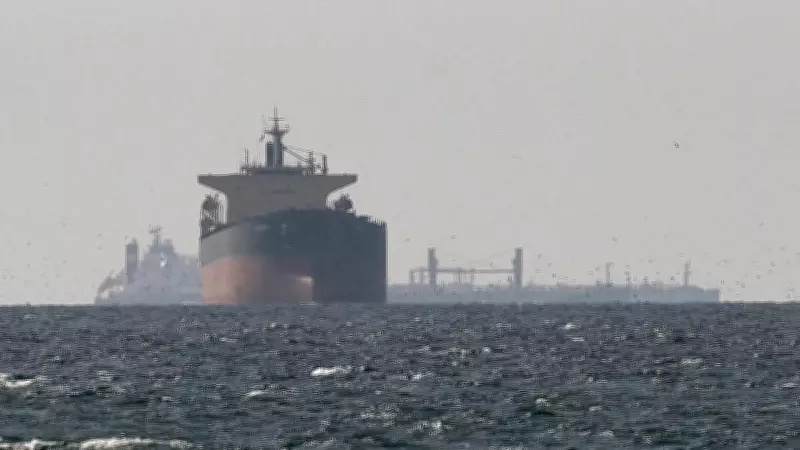
The oil cargo, loaded onto a tanker, made its way to Gujarat, a key hub for India's petroleum industry. This move comes as India, one of the world's largest oil importers, seeks to diversify its energy sources amid global market volatility and rising prices. The exact volume and value of the shipment have not been disclosed, but it is expected to bolster domestic fuel reserves and provide some relief to refiners facing supply constraints.
Background and Implications for Energy Trade
India had previously been a major buyer of Iranian oil, but imports were halted in 2019 following U.S. sanctions on Iran. The resumption of this trade, even if on a limited scale, could have significant implications for both countries. For India, it offers an alternative to traditional suppliers like Saudi Arabia and Russia, potentially enhancing energy security and negotiating leverage. For Iran, it represents a crucial economic lifeline, helping to mitigate the impact of sanctions on its oil exports.

Industry analysts note that this development may pave the way for more regular shipments if geopolitical conditions allow, though challenges remain due to ongoing international tensions. The arrival of the cargo is also seen as a test of India's ability to navigate complex diplomatic waters while securing its energy needs.
Potential Impact on Domestic Fuel Markets
The influx of Iranian oil could help stabilize fuel prices in India by increasing supply, especially during peak demand periods. Gujarat, with its extensive refinery infrastructure, is well-positioned to process the crude, which may then be distributed across the country. This could ease concerns over potential shortages and support economic growth by ensuring a steady flow of energy resources.
Experts caution, however, that the long-term sustainability of this trade will depend on factors such as international relations, shipping logistics, and compliance with global regulations. Nonetheless, the immediate arrival of the cargo is a positive step for India's energy diversification strategy.
Looking Ahead: Future Prospects and Challenges
As India continues to explore new energy partnerships, the success of this shipment could encourage further imports from Iran, provided that sanctions are eased or workarounds are found. The government and oil companies are likely to monitor the situation closely, assessing both the economic benefits and diplomatic risks involved.
In summary, the arrival of India's first Iranian oil cargo since 2019 at the Gujarat coast marks a significant milestone in the nation's energy landscape, highlighting efforts to enhance fuel security and adapt to changing global dynamics.