

India's Energy Supply Shows Significant Improvement After West Asia Conflict
A senior petroleum ministry official announced on Monday that India's availability of crude oil, liquefied petroleum gas (LPG), and liquefied natural gas (LNG) has improved considerably compared to a month ago when the West Asia conflict broke out. Officials have implemented strategic measures to diversify sourcing and ensure critical sectors remain unaffected.
Strategic Diversification of Energy Sources
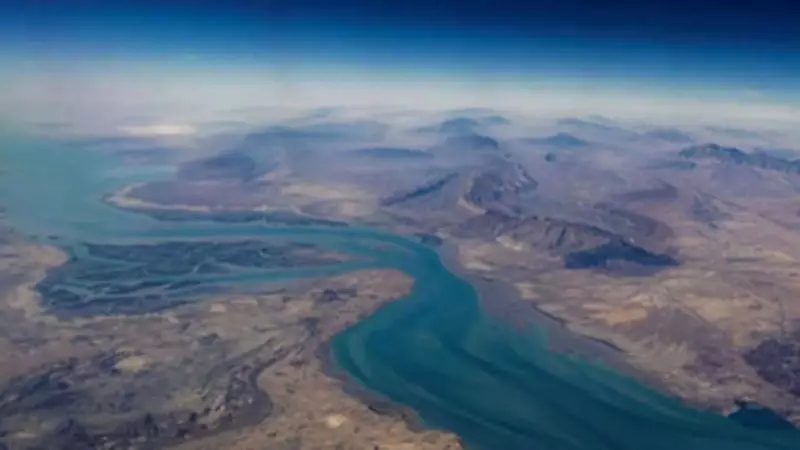
India has actively diversified its sourcing of crude oil and gas to address gaps caused by disruptions in the Strait of Hormuz, while prioritizing LPG and LNG supplies for retail consumers and essential industries. Sujata Sharma, joint secretary at the petroleum ministry, stated, "The availability of energy has certainly improved, and we are in a much better position than a month ago."
India imports between 5.5 and 5.6 million barrels of crude oil daily. Before the conflict, approximately 40-45% of these imports traveled through the Strait of Hormuz. For LPG, India meets about 60% of its annual demand of 31 million tonnes through imports, with 90% of that volume historically routed through the Strait. Natural gas consumption stands at 191 million metric standard cubic meters per day (mmscmd), with 51% imported, about 60% of which originates from West Asia.

Expanding Global Partnerships for Energy Security
Officials revealed that India is now tapping multiple new sources to bolster its energy security:
- For LPG: The United States, Russia, Canada, Norway, and West African nations including Nigeria, Algeria, and Angola.
- For LNG: Countries such as Cameroon, Equatorial Guinea, and Mozambique.
Cargoes have already been purchased from some of these sources, while negotiations are at an advanced stage with others. This expansion is part of a broader decade-long strategy where India has diversified its crude oil sourcing from 27 to 41 countries, reducing its dependence on the Strait of Hormuz from 45% to about 30%.
Current Stock Levels and Supply Chain Status
Despite these improvements, some logistical challenges persist. Sharma confirmed that adequate stocks of petroleum products and LPG are available nationwide. However, delivery times for domestic LPG cylinders have increased to 4–5 days due to panic booking by consumers. No dry-outs have been reported, and officials expect delivery timelines to ease soon as the situation stabilizes.
Imports from African nations are steadily rising, even as West Asia remains a dominant supplier. This multi-pronged approach ensures that India's energy infrastructure remains resilient amid global geopolitical tensions.






