

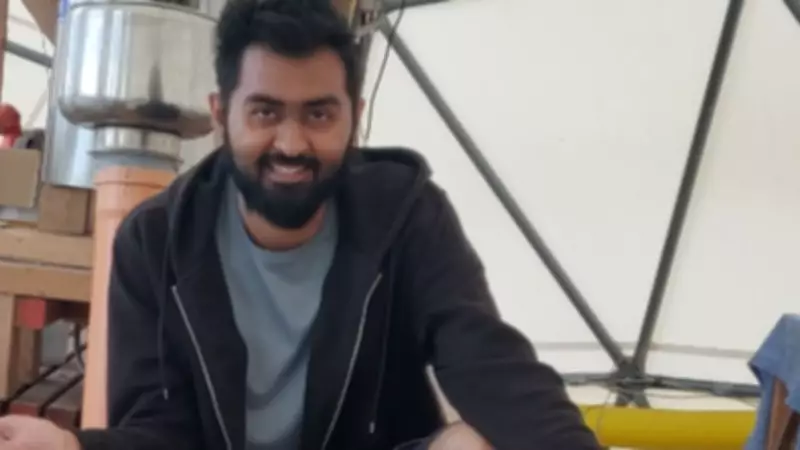
Indian Agri-Tech Founder Forced to Leave Sweden, Criticizes Immigration System
An Indian entrepreneur who established his agri-tech venture in Sweden has declared his exit from the country, attributing his departure to what he labels a "hostile" and "xenophobic" immigration framework. Abhijith Nag Balasubramanya, the founder and CEO of Hydro Space Sweden AB, revealed this decision in a comprehensive LinkedIn post that has gained significant traction online. In his statement, he confirmed the sale of his company and his imminent return to India, following a mandate from Swedish authorities to depart by the month's end.
Forced Exit and Sale of Company
Balasubramanya explicitly stated, "Today, I am officially stepping down as Founder and CEO of Hydro Space Sweden AB. I have sold the company as I am being forced to leave the country by the end of this month." He emphasized that this was not a voluntary move but rather an eviction driven by what he perceives as an "incompetent and increasingly hostile state apparatus." His post has sparked widespread discussion about the challenges faced by foreign entrepreneurs in Sweden, a nation often touted as startup-friendly.
Clash with Sweden's Migration Agency
In his detailed account, Balasubramanya highlighted that while his company's sustainable agriculture products were well-received locally, he encountered persistent hurdles from the Swedish Migration Agency (Migrationsverket), which manages residence and work permits. He argued that Sweden's reputation does not align with the realities experienced by international founders navigating immigration processes. According to him, officials demonstrated a lack of business acumen, provided unclear documentation guidance despite repeated inquiries, and frequently altered the reasons for rejection.

He described the system as characterized by "gross incompetence, procedural cowardice and systemic hostility," adding that he felt it had been "run to the ground by the system." This critique raises questions about the efficiency and fairness of Sweden's immigration policies for entrepreneurs, especially as European nations vie to attract global talent.
Decision to Return to India
Rather than engaging in a legal battle, Balasubramanya opted to withdraw from the situation. He wrote, "I do not have the energy or the desire to spend my capital fighting a legal battle against a system that is fundamentally broken and seemingly xenophobic." Instead, he plans to take a break and relocate to India to focus on his mental health, which he claims was severely impacted by the Swedish migration agency's actions.
He directed a pointed message to the case officer involved: "To the incompetent and arrogant case officer who took pride in destroying my livelihood: You haven't just failed me; you are failing Sweden's future to be food secure." Balasubramanya holds a bachelor's degree in electrical engineering and two master's degrees in international marketing and sustainable agriculture, positioning his company as part of Sweden's sustainability initiatives.
Online Debate and Support
His post has ignited a debate on LinkedIn regarding Sweden's immigration framework for entrepreneurs. Many users expressed solidarity, with one commenting, "The current political system and the atmosphere it has created is truly disturbing and disappointing. I wish Sweden to be a country where talented entrepreneurs feel welcome and encouraged." Another shared a personal experience, noting similar struggles with integration and mental health after decades in Sweden, underscoring broader issues of inclusion.
This incident highlights the complexities of immigration policies in attracting foreign founders, as countries compete in the global startup landscape. It serves as a cautionary tale about the potential barriers that can deter innovation and talent, impacting both individuals and national economic goals.






