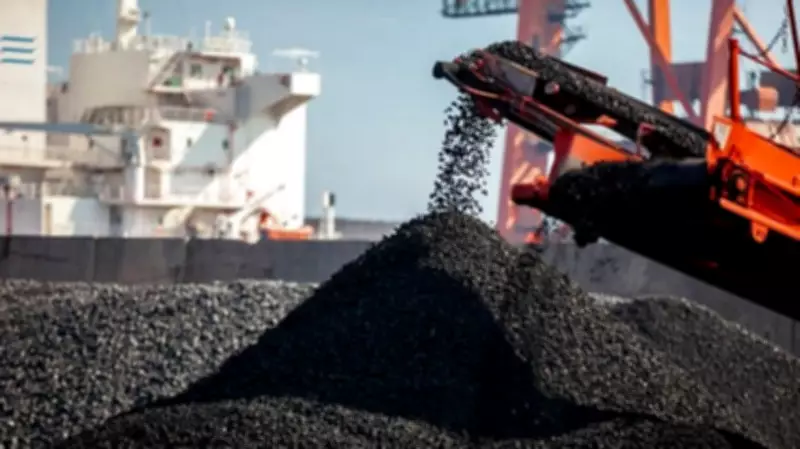
A recent analysis has cast doubt on the potential for increased India-US metallurgical coal trade to insulate the domestic steel sector from price volatility and supply chain disruptions. The report underscores that global price linkages, elevated freight costs, limited US export capacity, and technical limitations within Indian steel plants significantly weaken the argument for US coal as a dependable alternative.
Key Findings on Trade Dynamics
The study highlights that metallurgical coal prices are heavily influenced by global market trends, meaning that even if India diversifies its sources, it may not escape international price shocks. US coal, while abundant, faces higher transportation expenses compared to traditional suppliers like Australia and Indonesia, eroding its cost advantage.
Supply Constraints and Infrastructure Gaps
US export infrastructure is not currently scaled to meet India's massive demand for coking coal. Port capacity, rail networks, and mine output in the US are limited, making it difficult to ramp up shipments quickly. Additionally, Indian steel plants often require specific coal blends tailored to their blast furnaces, and US coal grades may not always match these technical specifications without costly adjustments.

Impact on Steel Sector Resilience
The report warns that relying on US coal as a strategic buffer could give a false sense of security. Instead, it recommends a multi-pronged approach: increasing domestic coal washing, investing in alternative technologies like hydrogen-based steelmaking, and securing long-term contracts with diverse suppliers to mitigate risks.
Industry experts note that while India-US trade ties are strengthening, the metallurgical coal market remains tightly integrated globally. Freight costs, which have risen sharply since 2023, further complicate the economics. The report concludes that without significant infrastructure investments and policy support, US coal will not provide the stability the Indian steel sector seeks.