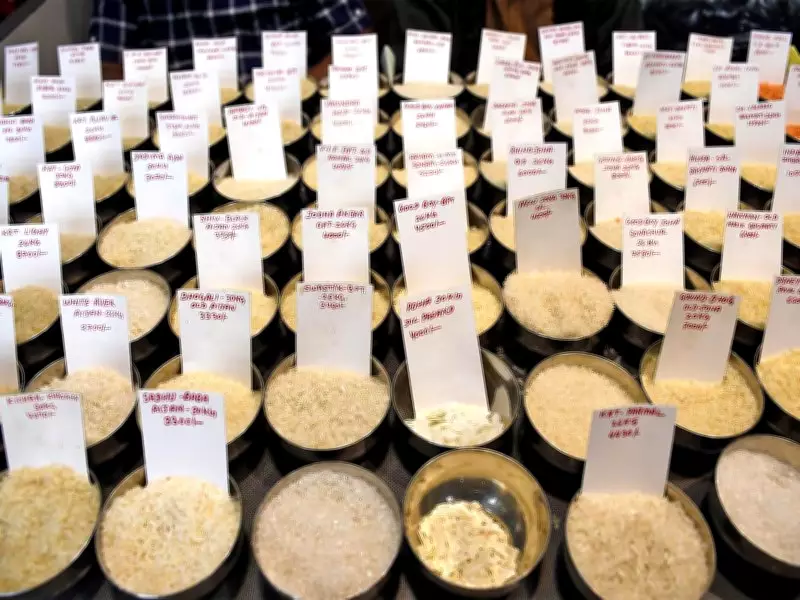
India-US Trade Agreement to Enhance Rice Export Competitiveness
A significant trade agreement between India and the United States is poised to revitalize India's rice export sector by restoring competitiveness parity with key rivals such as Thailand and Pakistan. This development marks a strategic move to bolster India's position in the global agricultural market, addressing long-standing trade imbalances and fostering economic growth.
Boosting Agricultural Trade and Market Position
The deal focuses on enhancing India's rice exports through improved trade terms and market access. By aligning with US standards and regulations, Indian rice producers can now compete more effectively on the international stage. This agreement is expected to increase export volumes, thereby supporting farmers and contributing to the national economy.
Key aspects of the agreement include:

- Streamlined export procedures to reduce delays and costs.
- Enhanced quality assurance measures to meet global standards.
- Increased market penetration in the United States and other regions.
Restoring Competitiveness with Thailand and Pakistan
India has historically faced stiff competition from Thailand and Pakistan in the rice export market. This new deal aims to level the playing field by addressing tariff and non-tariff barriers that have hindered India's competitiveness. As a result, Indian rice is now better positioned to capture a larger share of the global market.
Experts believe that this agreement could lead to a significant shift in trade dynamics, with India potentially overtaking its rivals in key export destinations. The restoration of competitiveness parity is seen as a crucial step in sustaining India's agricultural exports amid fluctuating global demand.
Implications for the Indian Economy and Farmers
The boost in rice exports is expected to have a positive ripple effect on the Indian economy. Increased export revenues can lead to higher incomes for farmers, improved rural livelihoods, and enhanced food security. Additionally, this deal may pave the way for similar agreements in other agricultural sectors, further strengthening India's trade portfolio.
Potential benefits include:
- Higher export earnings and foreign exchange reserves.
- Job creation in the agricultural and logistics sectors.
- Strengthened bilateral relations with the United States.
In conclusion, the India-US trade deal represents a pivotal moment for India's rice export industry. By restoring competitiveness with Thailand and Pakistan, it sets the stage for sustained growth and economic prosperity in the agricultural sector.