

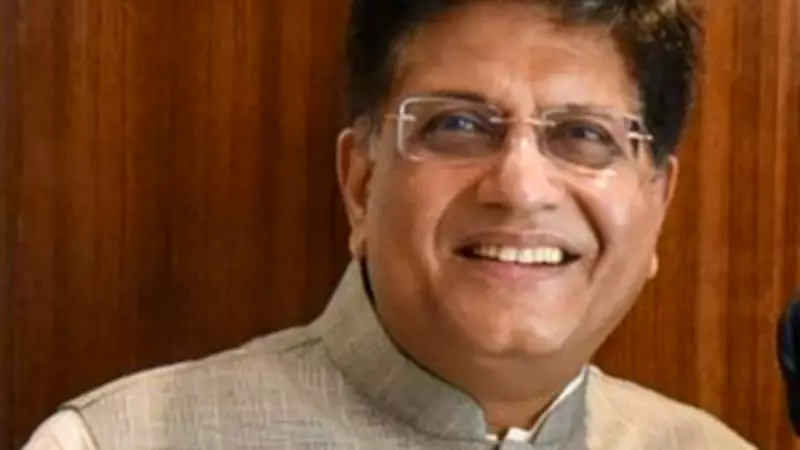
India-UK Free Trade Agreement Nears Finalization, Mid-April Launch Targeted
The long-awaited Free Trade Agreement (FTA) between India and the United Kingdom is poised for a significant breakthrough, with sources indicating a potential rollout by mid-April. This development marks a crucial step in strengthening economic ties between the two nations, following extensive negotiations that have spanned several rounds.
Key Details and Timeline of the Agreement
According to recent reports, the India-UK FTA is currently in its concluding phases, with both sides working diligently to iron out the remaining issues. The mid-April timeline is seen as a realistic target, contingent upon the resolution of final technical and procedural matters. This agreement is expected to cover a wide range of sectors, including goods, services, and investments, aiming to create a more favorable trade environment.
The negotiations have focused on reducing tariffs, enhancing market access, and addressing non-tariff barriers, which could lead to a substantial increase in bilateral trade volumes. Indian officials have emphasized the importance of this FTA in boosting exports and attracting foreign direct investment, while UK representatives view it as a strategic move to deepen economic partnerships post-Brexit.

Potential Impact on Bilateral Trade and Economy
The implementation of the India-UK FTA is anticipated to have a profound impact on the economies of both countries. Key benefits include:
- Increased Trade Flows: By lowering tariffs and simplifying customs procedures, the agreement is expected to facilitate smoother trade in goods such as textiles, pharmaceuticals, and automotive parts.
- Enhanced Services Sector: Sectors like IT, finance, and education are likely to see improved access, fostering greater collaboration and job creation.
- Investment Opportunities: The FTA could attract more investments from the UK into India's growing markets, particularly in infrastructure and technology.
- Economic Growth: Overall, the deal is projected to contribute to GDP growth and economic resilience for both nations.
Experts suggest that this agreement could serve as a model for future trade pacts, highlighting India's commitment to liberalizing its economy and engaging with global partners. However, challenges such as aligning regulatory standards and ensuring fair competition remain areas of focus in the final discussions.
Next Steps and Future Prospects
As the mid-April deadline approaches, stakeholders from both sides are closely monitoring the progress. Once finalized, the India-UK FTA will undergo legal scrutiny and formal approvals before coming into effect. This milestone is expected to pave the way for deeper diplomatic and cultural exchanges, reinforcing the longstanding relationship between India and the UK.
In summary, the India-UK Free Trade Agreement represents a pivotal moment in international trade, with its anticipated launch in mid-April signaling a new era of economic cooperation. The successful conclusion of this deal could set a precedent for other nations seeking to enhance their trade partnerships with India.






