

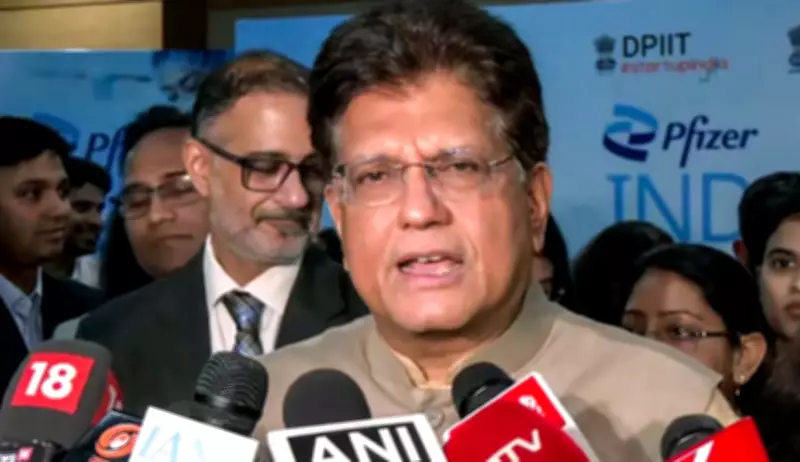
India Secures Zero-Tariff Textile Access in US Trade Agreement
In a significant development for India's textile industry, Commerce and Industry Minister Piyush Goyal has announced that India will receive zero-tariff benefits for textile exports to the United States, matching the advantages currently enjoyed by Bangladesh. This announcement, made on February 12, 2026, marks a pivotal step in ongoing trade negotiations aimed at enhancing bilateral economic ties and boosting India's export competitiveness.
Details of the Trade Deal and Its Implications
The proposed US trade deal, which is part of broader efforts to strengthen economic cooperation, includes provisions that will eliminate tariffs on Indian textile products entering the American market. This move is expected to significantly reduce costs for Indian exporters, making their goods more price-competitive compared to those from other nations. Currently, Bangladesh benefits from such preferential treatment under various trade agreements, and India's inclusion is seen as a strategic alignment to level the playing field in the global textile trade.
Piyush Goyal emphasized that this agreement will not only boost India's textile exports but also create numerous job opportunities within the sector, which is a major employer in the country. He highlighted that the deal is a result of persistent diplomatic efforts and negotiations aimed at securing favorable terms for Indian industries. The minister also noted that this development aligns with India's broader economic goals of increasing its share in global trade and attracting foreign investment.

Impact on India's Textile Industry and Economy
The textile industry in India, which contributes significantly to the nation's GDP and employment, stands to gain immensely from this zero-tariff access. Experts predict that exports to the US could see a substantial rise, potentially increasing by 20-30% over the next few years. This growth is expected to spur innovation and modernization within the sector, as companies invest in better technology and sustainable practices to meet international standards.
Key benefits of the deal include:
- Enhanced competitiveness for Indian textiles in the US market.
- Reduction in export costs, leading to higher profit margins for manufacturers.
- Increased demand for Indian textile products, boosting production and employment.
- Strengthened bilateral trade relations between India and the United States.
Furthermore, this agreement is likely to encourage other sectors to seek similar concessions in future trade talks, fostering a more robust economic partnership. The move is also seen as a strategic counter to China's dominance in the global textile market, positioning India as a reliable and competitive alternative for US importers.
Broader Context and Future Prospects
This announcement comes amid ongoing global trade realignments and efforts by countries to diversify their supply chains. India's inclusion in zero-tariff textile benefits with the US reflects a growing recognition of its manufacturing capabilities and economic potential. As negotiations progress, stakeholders are optimistic about finalizing the deal by the targeted timeline, which could set a precedent for other trade agreements.
In conclusion, the zero-tariff textile benefits for India in the US trade deal, as confirmed by Piyush Goyal, represent a major win for the nation's economy. By matching Bangladesh's advantages, India is poised to enhance its export performance, create jobs, and strengthen its position in the international trade arena, marking a new chapter in Indo-US economic relations.






