

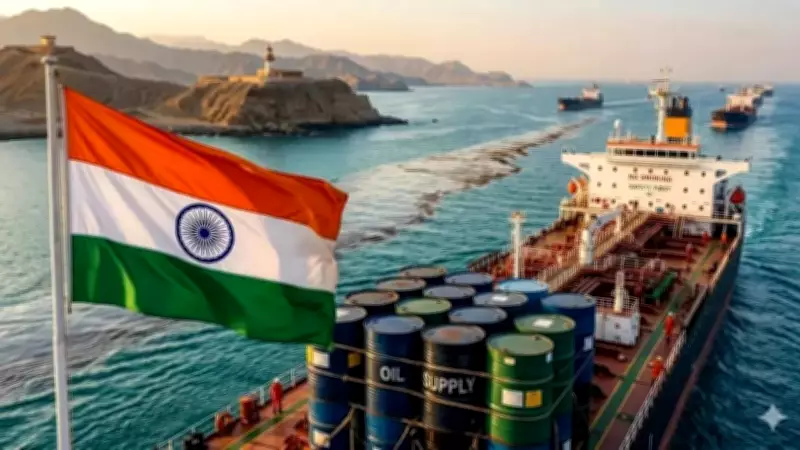
India Urges Iran to Expedite Oil Shipments Through Strait of Hormuz During Ceasefire
In a strategic move to capitalize on the current two-week ceasefire, India is actively urging Iran to facilitate the swift passage of India-bound oil ships through the critical Strait of Hormuz. According to a shipping ministry official, the objective is to ensure these vessels are rapidly offloaded, allowing them to be redeployed during the ceasefire period to rebuild the nation's fuel inventories.
Industry Executives Warn of Prolonged Recovery Timeline
Despite the temporary halt in hostilities, industry executives have issued a cautionary note, indicating that a full return to normal oil trade could require at least three months. They cite multiple constraints that are impeding progress, including sluggish vessel movement, a limited availability of ships and insurance coverage, significant loading bottlenecks, and ongoing production disruptions.
Strait of Hormuz: Significant Congestion Persists
An ET report reveals that currently, 16 India-flagged vessels remain stranded in the Persian Gulf, while eight LPG carriers have successfully navigated through the Strait of Hormuz in recent weeks. Overall, approximately 800 ships are caught in the region, and clearing this extensive congestion is anticipated to be a time-consuming process.

Although Indian refiners are eager to quickly boost supplies from the Gulf, executives emphasize that the recovery will be gradual. "Until a final deal is reached, Iran is unlikely to allow traffic to normalise," one executive stated. "Even if ships manage to move out, sending them back won't be easy due to the risk of getting stranded again and the challenges in securing adequate insurance."
Iran Proposes Levy on Vessels; India Advocates for Unimpeded Navigation
As part of ceasefire discussions with the US, Iran has suggested imposing a levy on vessels passing through the Strait of Hormuz. However, MEA spokesperson Randhir Jaiswal clarified, "We have had no discussion with Iran on this issue," adding that India expects unimpeded navigation and the continuation of global trade through the strait.
Another official highlighted that the US stance is not a determining factor, pointing out that the right to free movement in international waters is safeguarded under United Nations conventions.
Ceasefire Unlikely to Immediately Ease Supply Constraints or Prices
Executives noted that the ceasefire is unlikely to bring immediate relief to tight physical supplies or significantly ease spot crude prices. While Brent futures dropped to $91 on Wednesday, marking a decline of about $19 following the ceasefire announcement, refiners have still been paying between $130 and $140 per barrel in the spot market over the past month.
First Iranian Crude Shipment to India in Over Six Years
In a related development, the first shipment carrying Iranian crude oil is set to reach India soon. This marks the first time India has purchased crude oil from Iran in over six years, made possible by a US sanctions waiver granted for 30 days.






