

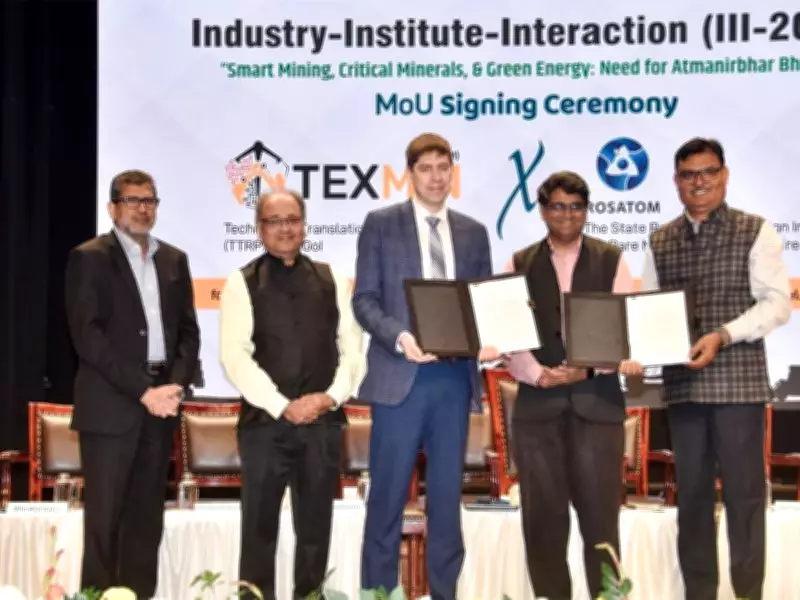
India's TexMin and Russia's Giredmet Sign Strategic Pact to Enhance Rare Earth and Critical Mineral Technologies
In a significant move to bolster technological capabilities in the mining sector, India's Ministry of Textiles (TexMin) and Russia's Giredmet have inked a pact aimed at ramping up rare earth and critical mineral technologies. This collaboration marks a pivotal step in reducing India's dependency on imports for these essential resources, which are crucial for various high-tech industries, including electronics, defense, and renewable energy.
Key Objectives of the India-Russia Collaboration
The pact focuses on several key areas to enhance the development and utilization of rare earth and critical minerals. Primary goals include:
- Technology Transfer: Sharing advanced mining and processing technologies between the two nations to improve efficiency and output.
- Research and Development: Joint initiatives to innovate in extraction, refining, and recycling of rare earth elements.
- Capacity Building: Training programs and knowledge exchange to upskill Indian professionals in mineral technologies.
- Sustainable Practices: Emphasizing eco-friendly methods to minimize environmental impact during mining operations.
This partnership is expected to leverage Russia's expertise in mineral processing and India's growing demand for these resources, fostering a mutually beneficial relationship.

Implications for India's Economy and Strategic Sectors
The collaboration holds substantial implications for India's economic and strategic landscape. By enhancing domestic capabilities in rare earth and critical mineral technologies, India aims to:
- Reduce Import Dependency: Currently, India relies heavily on imports, particularly from China, for rare earth minerals. This pact could help diversify sources and build self-reliance.
- Boost High-Tech Industries: Rare earth elements are vital for manufacturing smartphones, electric vehicles, and defense equipment. Improved access and technology can spur growth in these sectors.
- Strengthen Bilateral Ties: The pact underscores deepening India-Russia relations, extending beyond traditional areas like defense into economic and technological cooperation.
- Support Green Energy Transition: Critical minerals are essential for renewable energy technologies, such as wind turbines and solar panels, aligning with India's sustainability goals.
Experts highlight that this move could position India as a more competitive player in the global mineral market, while also addressing supply chain vulnerabilities.
Challenges and Future Prospects
Despite the promising outlook, challenges remain in implementing this pact effectively. Key hurdles include:
- Technological Gaps: India may need to invest in infrastructure and expertise to fully adopt advanced Russian technologies.
- Environmental Concerns: Mining rare earth minerals often involves significant ecological disruption, requiring careful management.
- Geopolitical Factors: Global tensions and trade policies could influence the success of this bilateral initiative.
Looking ahead, the pact sets the stage for long-term cooperation, with potential for expanded partnerships in other mineral-rich regions. It reflects a strategic shift towards securing critical resources amid growing global demand and competition.
In summary, the India-Russia pact on rare earth and critical mineral technologies represents a forward-looking effort to enhance technological prowess and economic resilience. By fostering innovation and collaboration, it aims to unlock new opportunities in the mining sector while supporting broader national objectives.






