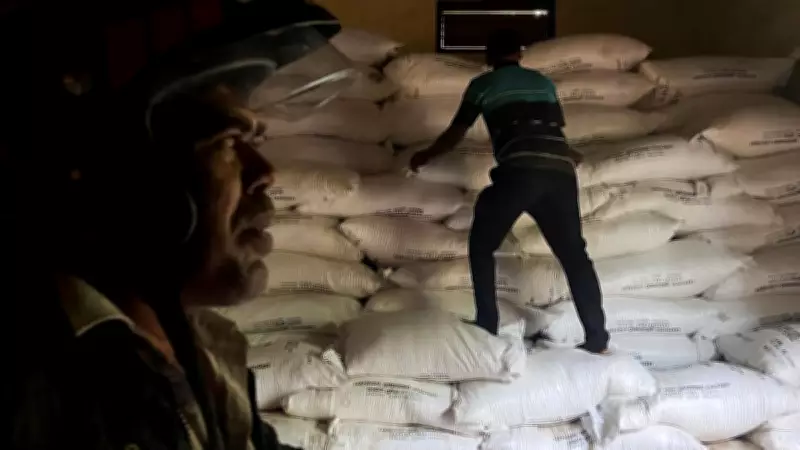
India's Record Urea Purchase: 2.5 Million Tons at Double the Price
In a significant development for global agricultural markets, India is poised to import a staggering 2.5 million tons of urea, a key fertilizer, at a price that has nearly doubled compared to just two months ago. This massive procurement, confirmed by sources and reported by Reuters, is expected to have far-reaching consequences on international supply chains and pricing dynamics.
Unprecedented Scale and Soaring Costs
The scale of this import is unprecedented, marking a record purchase for India, which heavily relies on urea to support its vast agricultural sector. The financial implications are stark: the price per ton has surged to nearly double what was paid in February 2026, reflecting intense market pressures. This sharp increase underscores the volatility in global commodity markets, driven by a confluence of factors.
Global Supply Tightens Amid Rising Demand

India's aggressive buying spree is set to tighten global urea supply significantly. With this large-scale acquisition, available stocks in international markets are expected to dwindle, creating a supply squeeze that could affect other importing nations. This move comes at a time when global fertilizer markets are already under strain, making the situation more precarious for farmers and economies worldwide.
Impact of Middle East Conflict on Prices
The war in the Middle East has been a major catalyst for the price surge. Conflicts in the region have disrupted production and logistics, leading to supply chain bottlenecks and heightened uncertainty. As a result, urea prices have already experienced a substantial increase, and India's latest import is likely to push them even higher. This geopolitical tension adds a layer of complexity to an already fragile market environment.
Broader Implications for Agriculture and Economy
The repercussions extend beyond immediate price hikes. Higher urea costs could translate into increased production expenses for farmers, potentially affecting crop yields and food prices in India and beyond. For the Indian economy, this import represents a significant financial outlay, highlighting the challenges of securing essential agricultural inputs in a volatile global landscape.
As of April 22, 2026, this development underscores the interconnectedness of global trade and the impact of geopolitical events on essential commodities. Stakeholders are closely monitoring the situation, anticipating further shifts in supply and demand dynamics.