

India Secures Unprecedented Market Access to 70% of Global GDP and Two-Thirds of Global Trade
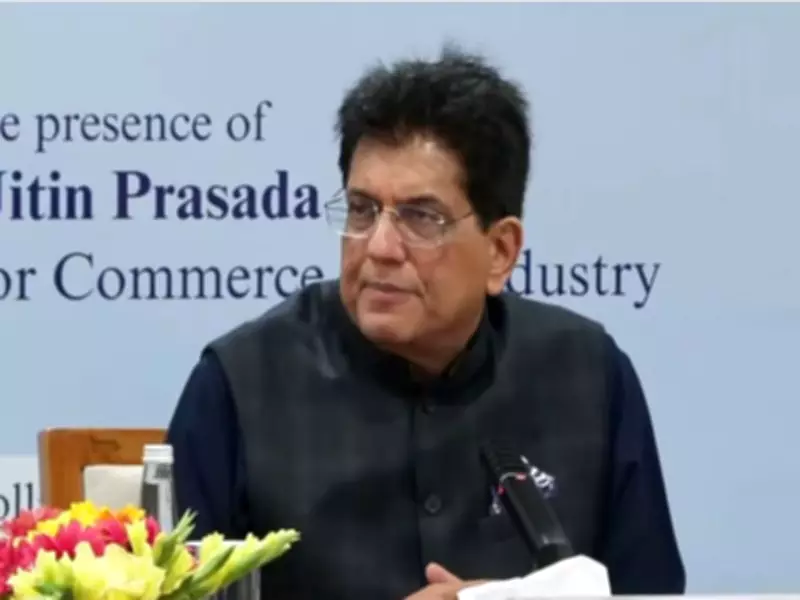
In a significant announcement that underscores India's growing economic clout on the world stage, Union Minister for Commerce and Industry, Piyush Goyal, revealed that the nation has achieved remarkable market access. According to the minister, India now enjoys open trade pathways to a staggering 70% of the global Gross Domestic Product (GDP) and approximately two-thirds of all international trade flows. This development marks a pivotal moment in India's economic diplomacy and trade strategy, positioning the country as a key player in the global marketplace.
Expanding Economic Horizons Through Strategic Agreements
The enhanced market access is largely attributed to India's proactive engagement in forging and deepening trade agreements with numerous countries and economic blocs. Over recent years, India has negotiated and implemented a series of bilateral and multilateral trade pacts that have systematically reduced barriers and opened up new opportunities for Indian businesses. These agreements span across diverse regions, including major economies in Asia, Europe, and the Americas, effectively integrating India into the core of global economic networks.
This strategic expansion is not merely about numbers; it reflects a concerted effort to diversify trade partners and reduce dependency on any single market. By tapping into such a vast portion of the world's economic output, India is better insulated against regional economic downturns and geopolitical tensions. The minister emphasized that this broad-based access enables Indian exporters to explore untapped markets, thereby fostering resilience and sustainable growth in the nation's trade sector.

Implications for Indian Businesses and the Economy
The ramifications of this expanded market access are profound for Indian industries and the broader economy. With pathways now open to 70% of global GDP, Indian companies—ranging from small and medium enterprises (SMEs) to large corporations—can leverage competitive advantages in sectors such as information technology, pharmaceuticals, textiles, and agriculture. This access is expected to drive exports, attract foreign investment, and create employment opportunities, contributing significantly to India's economic development goals.
Moreover, the inclusion of two-thirds of global trade means that Indian products and services are now more accessible to a wider consumer base worldwide. This could lead to increased market share for Indian brands, enhanced brand recognition, and higher revenue streams. The minister highlighted that this progress aligns with the government's vision of making India a $5 trillion economy, as outlined in various policy frameworks. By facilitating smoother trade flows and reducing tariff and non-tariff barriers, these agreements are poised to boost India's trade volume and improve its balance of payments position.
Future Prospects and Ongoing Negotiations
Looking ahead, Piyush Goyal indicated that India is not resting on its laurels. The government continues to actively pursue further trade agreements and partnerships to expand market access even more. Ongoing negotiations with key economies and regional groups aim to address remaining trade barriers and explore new areas of cooperation, such as digital trade and sustainable development. The minister stressed that India's approach is balanced, ensuring that domestic industries are protected while seizing global opportunities.
In conclusion, the announcement by Piyush Goyal highlights a transformative phase in India's economic journey. By securing access to 70% of global GDP and two-thirds of global trade, India has positioned itself as a formidable force in international commerce. This achievement is a testament to the country's strategic trade policies and diplomatic efforts, promising a brighter economic future with enhanced global integration and prosperity for its citizens.






