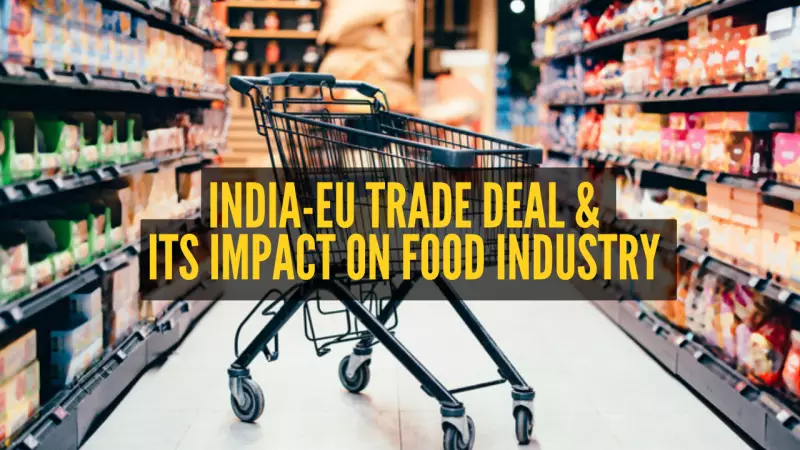
The landmark India-EU Free Trade Agreement (FTA), finalized after nearly two decades of negotiations, is set to make European culinary delights significantly more affordable for Indian consumers. This comprehensive deal focuses on substantial tariff reductions for European Union exports entering the Indian market, potentially transforming how Indians access and enjoy premium imported foods and beverages.
Understanding the India-EU Free Trade Agreement
The India-EU Free Trade Agreement represents a monumental shift in trade relations between the two economic powerhouses. The agreement aims to remove or sharply reduce tariffs on over 90 percent of European goods exported to India. This strategic move is projected to save EU exporters up to €4 billion in duties annually while making imported food products more accessible to Indian consumers by dismantling high tariff barriers that have historically made European imports a luxury purchase.
For context, many European food items currently face import duties ranging from 30 to 55 percent, with some processed foods attracting tariffs as high as 50 percent. These substantial duties have kept premium European products out of reach for many Indian households. The new agreement promises to change this dynamic dramatically through phased tariff reductions and eliminations.

Complete List of European Foods and Beverages Getting Cheaper
Olive Oil, Margarine and Vegetable Oils
Current tariffs as high as 45 percent will be completely eliminated over a five-year phased period, making premium European olive oils and other vegetable oils much more affordable for Indian kitchens.
Processed Foods and Bakery Goods
European bread, pasta, biscuits, pastries, and various bakery items that currently face tariffs up to 50 percent will become duty-free, opening up new possibilities for Indian consumers seeking authentic European baked goods.
Fruit Juices and Non-Alcoholic Beverages
With current tariffs reaching 55 percent, European fruit juices and select non-alcoholic beverages will see their duties reduced to zero, making these healthier beverage options more accessible.
Select Fruits Including Kiwis and Pears
Specific European fruits that currently carry a 33 percent tariff will see reduced duties of 10 percent within established quotas, providing more affordable access to premium European produce.
Meat Preparations and Sausages
European meat preparations and sausages facing tariffs as high as 110 percent will see substantial reductions to 50 percent, making these specialty meat products more reasonably priced.
Sheep Meat
Sheep meat from EU producers will become completely duty-free, representing a significant cost reduction for Indian importers and consumers interested in European lamb and mutton products.
Beer and Wines
European beers currently facing 110 percent tariffs will see duties reduced to 50 percent, while wines with 150 percent tariffs will be reduced to 75 percent, potentially revolutionizing India's imported alcohol market.
Impact on Indian Consumers and Food Industry
Benefits for Indian Households
Industry experts predict that lower tariffs will make numerous European food products more affordable and accessible to Indian consumers. With reduced duties on items like olive oil, bakery goods, chocolates, juices, and select fruits, Indian households can expect wider choices, better quality, and more premium options entering their regular grocery shopping. This development may encourage consumers to explore global flavors as imported items transition from luxury purchases to more accessible indulgences.
Transformation for Restaurants and Food Service Sector
The food service industry stands to benefit significantly from cheaper imports and more stable supply chains. Fine-dining restaurants can expand their offerings and incorporate premium ingredients like European olive oils, cheeses, and wines without necessarily increasing menu prices. The reduced wine prices are particularly significant, as they may encourage more wine pairings and olive oil infusions in Mediterranean dishes across India's culinary landscape.

The India-EU Free Trade Agreement represents more than just economic cooperation—it signifies a cultural exchange through cuisine, making European culinary traditions more accessible to Indian consumers while potentially transforming India's food retail and hospitality sectors.