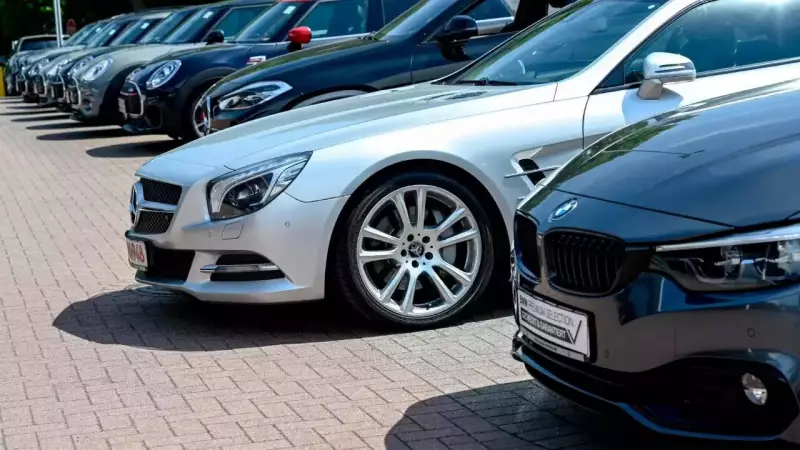
India-EU Free Trade Agreement Nears Finalization, Could Transform Luxury Car Market
India's long-pending free trade agreement with the European Union is reportedly on the verge of being announced, according to a Reuters report. This landmark trade deal, which has been in negotiations for years, could bring substantial relief to Indian consumers looking to purchase imported luxury vehicles from European manufacturers.
Significant Duty Reductions for Imported Cars
The proposed India-EU Free Trade Agreement (FTA) is expected to see India sharply reduce import duties on cars originating from European Union countries. This strategic move could make premium automobile models from prestigious brands such as Mercedes-Benz, BMW, and Volkswagen considerably more affordable for Indian buyers over the coming years.
Currently, India imposes substantial import tariffs on fully built cars, with duties ranging from a hefty 70 percent to as high as 110 percent depending on various factors. Under the proposed FTA framework, these peak duties are anticipated to be brought down to approximately 40 percent initially, representing a significant reduction that could reshape the luxury automotive market in India.

Quota System and Price Thresholds
According to the Reuters report, India has proposed cutting import duties to 40 percent for up to approximately 200,000 internal combustion engine vehicles imported annually from the European Union. The final quota remains under active discussion between negotiating parties and could potentially be revised before the agreement is formally signed and implemented.
Initially, the reduced duty structure is likely to apply exclusively to fully built cars priced above 15,000 euros, which translates to roughly Rs 16.3 lakh in Indian currency. This price threshold ensures that the benefits primarily target the premium and luxury segments of the automotive market.
Long-Term Prospects and EV Exclusion
Over the longer term, the comprehensive trade agreement could lead to even deeper duty cuts as the partnership between India and the European Union matures. However, it's important to note that these benefits will not extend to electric vehicles during the initial years of the agreement's implementation.
As per the report, electric vehicles will be specifically excluded from the reduced duty structure for at least the first five years of the FTA. This strategic exclusion appears designed to safeguard investments made by domestic manufacturers in India's burgeoning electric mobility space. Similar concessions for electric cars are expected to be considered at a later stage, once the domestic EV ecosystem has achieved greater maturity and competitiveness.
Strategic Timing and Diplomatic Context
The timing of this potential announcement carries significant diplomatic weight. The proposed tariff reductions come as European Commission President Ursula von der Leyen embarks on a four-day official visit to India, during which summit-level talks with Prime Minister Narendra Modi are expected to take place.
This high-level engagement between Indian and European Union leadership provides an ideal backdrop for finalizing and announcing the long-anticipated free trade agreement, which represents a major milestone in India's economic diplomacy and trade relations with one of its most significant trading partners.
The India-EU FTA, once finalized, could potentially:
- Make European luxury cars more accessible to Indian consumers
- Boost bilateral trade between India and European Union nations
- Create new opportunities for automotive manufacturers in both regions
- Establish a framework for future trade cooperation across multiple sectors
As negotiations reach their final stages, automotive industry stakeholders and potential luxury car buyers in India are closely monitoring developments, anticipating how this trade agreement might transform market dynamics and consumer choices in the premium vehicle segment.