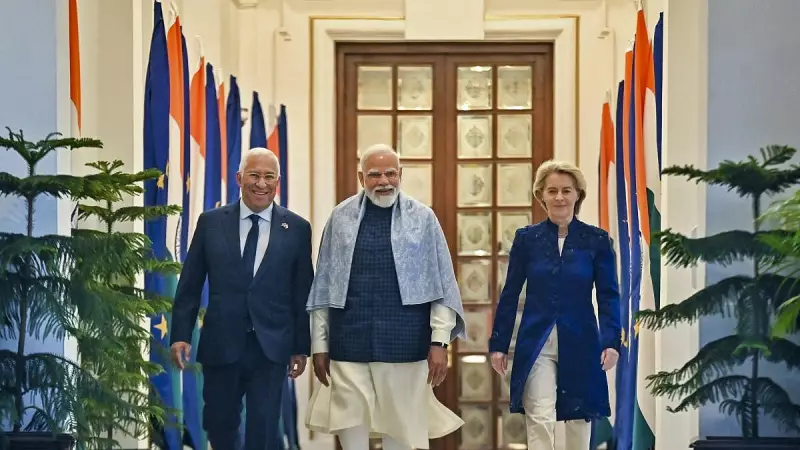
India and European Union Seal Historic Free Trade Agreement
In a major development for international trade, India has officially signed a comprehensive free trade agreement with the European Union. This landmark pact, announced on January 27, 2026, marks a significant step in strengthening economic ties between the two regions and is poised to bring tangible benefits to consumers and businesses alike.
Unprecedented Trade Opening by India
According to statements from the European Union, this agreement represents the most ambitious trade opening that India has ever granted to a partner. The deal is expected to facilitate smoother trade flows, reduce tariffs, and eliminate numerous non-tariff barriers that have historically hindered commerce between India and EU member states.
The primary focus of the agreement is to enhance market access and promote bilateral trade, which currently stands at over $100 billion annually. By lowering import duties on a wide range of products, the pact aims to make goods more affordable for Indian consumers while boosting exports from the EU to India.

What Will Become Cheaper for Indian Consumers?
With the implementation of this free trade agreement, several categories of products are anticipated to see significant price reductions. Here are some key areas where consumers can expect cheaper imports:
- Automobiles and Auto Parts: Luxury cars, electric vehicles, and high-quality automotive components from European manufacturers are likely to become more affordable due to reduced tariffs.
- Electronics and Gadgets: Smartphones, laptops, and other electronic devices imported from the EU may see price drops, making premium technology more accessible.
- Wines and Spirits: Fine wines, champagne, and premium alcoholic beverages from Europe could become cheaper, benefiting both retail consumers and the hospitality industry.
- Fashion and Apparel: High-end clothing, accessories, and luxury brands from EU countries are expected to be more competitively priced in the Indian market.
- Pharmaceuticals and Medical Equipment: Advanced medicines and cutting-edge medical devices from European companies might become more affordable, potentially improving healthcare access.
Broader Economic Implications
Beyond immediate consumer benefits, this agreement is set to have far-reaching effects on the Indian economy. It is projected to stimulate investment, create jobs, and foster innovation through increased competition and technology transfer. The pact also includes provisions for intellectual property rights, sustainable development, and digital trade, aligning with global standards.
For the European Union, this deal opens up one of the world's fastest-growing major economies, providing EU businesses with enhanced opportunities in sectors like services, agriculture, and manufacturing. The agreement is seen as a strategic move to deepen economic partnerships amid shifting global trade dynamics.
Implementation and Future Prospects
The free trade agreement is expected to be implemented gradually, with tariff reductions phased in over several years to allow industries time to adjust. Both parties have committed to regular reviews to ensure the pact's effectiveness and address any emerging challenges.
This development underscores India's proactive approach to expanding its trade network and integrating more deeply with the global economy. As details of the agreement are finalized, stakeholders across sectors are closely monitoring its potential impact on prices, supply chains, and overall economic growth.