

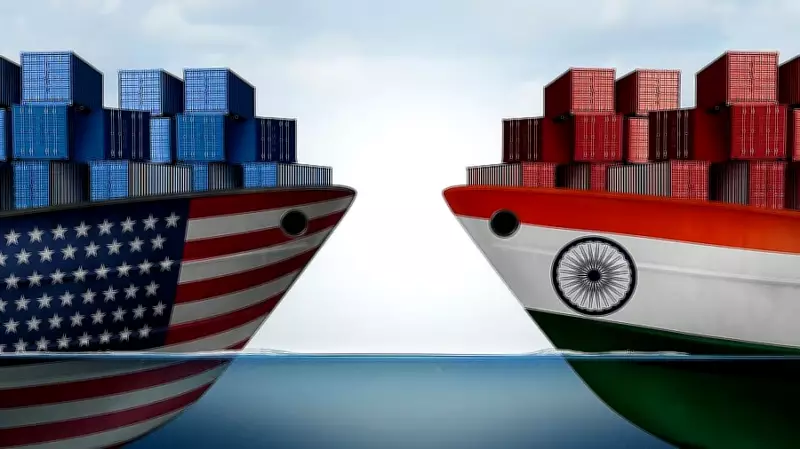
India Postpones US Trade Negotiations Following Supreme Court Tariff Ruling
India has decided to delay crucial trade talks with the United States in response to a recent US Supreme Court judgment that rejected tariffs imposed by former President Donald Trump. This development, confirmed by a source familiar with the matter, highlights the significant impact of legal decisions on international trade dynamics.
Uncertainty Over Tariffs Drives Decision
The postponement of negotiations stems primarily from the uncertainty surrounding tariff policies following the Supreme Court's ruling on Friday. The source emphasized that this legal outcome has created a volatile environment, making it challenging for Indian officials to proceed with discussions aimed at enhancing bilateral trade relations.
The Supreme Court's decision to overturn Trump-era tariffs has introduced new complexities into the trade landscape between the two nations. India, as a key trading partner, is now reassessing its position to ensure that any agreements align with the revised legal framework and economic conditions.

Background and Implications
Trade negotiations between India and the United States have been ongoing, with both countries seeking to address various issues, including market access, intellectual property rights, and digital trade. The delay underscores how domestic legal rulings in one country can have far-reaching effects on international economic partnerships.
The source noted that the Indian government is taking a cautious approach, preferring to wait until the implications of the tariff rejection are fully understood. This move reflects a strategic pause to avoid potential pitfalls in future trade agreements.
Key Factors Influencing the Delay
- Legal Uncertainty: The Supreme Court's ruling has left tariff policies in flux, necessitating a reevaluation of trade terms.
- Economic Considerations: India aims to protect its economic interests amidst changing US trade regulations.
- Diplomatic Strategy: Postponing talks allows for better preparation and alignment with new legal realities.
This delay is expected to impact the timeline for finalizing any trade deals, potentially affecting businesses and industries in both countries. Stakeholders are closely monitoring the situation for further developments.
Looking Ahead
As India and the United States navigate this period of uncertainty, the resumption of trade talks will depend on clarity regarding tariff policies and their enforcement. The Indian government remains committed to fostering strong trade relations but emphasizes the need for stability and predictability in such negotiations.
The broader implications of this delay extend beyond bilateral relations, serving as a reminder of how interconnected global trade systems are and how legal decisions can reshape economic strategies on an international scale.






