India Intensifies Fertilizer Imports, Issues Global Urea Tender Amid West Asia Tensions
The Indian government has taken proactive steps to secure fertilizer supplies by ramping up imports and issuing a global urea tender through Indian Potash Limited (IPL), a state-run entity. This move comes in response to escalating tensions in West Asia, which threaten to disrupt global supply chains and impact agricultural productivity in India.
Government's Strategic Response to Supply Chain Risks
Amid growing concerns over potential disruptions due to geopolitical instability in West Asia, the government has prioritized ensuring a steady flow of fertilizers to support the farming community. By increasing imports and leveraging IPL's global network, authorities aim to mitigate any shortfalls that could arise from conflicts or logistical challenges in the region.
This initiative underscores the government's commitment to safeguarding agricultural interests and maintaining food security across the nation.

Details of the Global Urea Tender
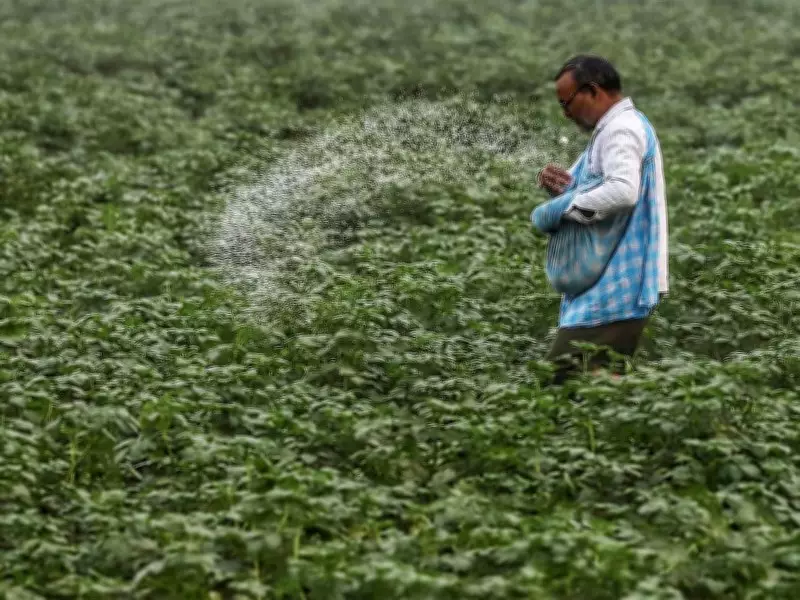
IPL has issued a global tender for urea, a critical nitrogen-based fertilizer widely used in Indian agriculture to enhance crop yields. The tender invites international suppliers to bid, with the goal of securing large quantities to meet domestic demand ahead of the upcoming planting seasons.
This strategic procurement effort is designed to build buffer stocks and prevent price volatility in the fertilizer market, ensuring affordability for farmers.
Impact of West Asia Tensions on Fertilizer Markets
West Asia, a key region for fertilizer production and export, has been experiencing heightened tensions that could lead to supply bottlenecks or increased costs. Factors contributing to this include:
- Geopolitical conflicts affecting trade routes
- Potential sanctions or export restrictions
- Fluctuations in global energy prices influencing fertilizer production
By acting preemptively, India seeks to insulate its agricultural sector from these external shocks, promoting stability in fertilizer availability and pricing.
Broader Implications for Indian Agriculture and Economy
The government's steps to boost fertilizer imports and issue tenders are part of a larger strategy to support the agricultural sector, which employs a significant portion of the population and contributes substantially to the economy. Key benefits include:
- Ensuring timely access to essential inputs for farmers
- Stabilizing fertilizer prices to reduce financial burden on agricultural households
- Enhancing crop productivity and food output to meet domestic consumption needs
This approach aligns with national goals of achieving self-sufficiency in food production and fostering rural development.
Conclusion: A Proactive Measure for Agricultural Resilience
In summary, the Indian government's decision to step up fertilizer imports and issue a global urea tender through IPL reflects a forward-looking policy to address potential supply chain disruptions from West Asia tensions. By securing adequate fertilizer supplies, authorities aim to protect farmer interests, maintain agricultural growth, and ensure food security for the nation, demonstrating a robust response to global challenges.