India Ramps Up Energy Security Measures Amid West Asia Tensions
In response to ongoing disruptions in the West Asia region, the Indian government has implemented a strategic plan to bolster domestic energy supplies. This initiative focuses on enhancing the availability of 5-kilogram liquefied petroleum gas (LPG) cylinders and accelerating the rollout of piped natural gas (PNG) connections across the country. The move aims to ensure stable and affordable fuel access for millions of households and businesses, mitigating potential shortages caused by geopolitical instability.
Key Developments in LPG and PNG Infrastructure
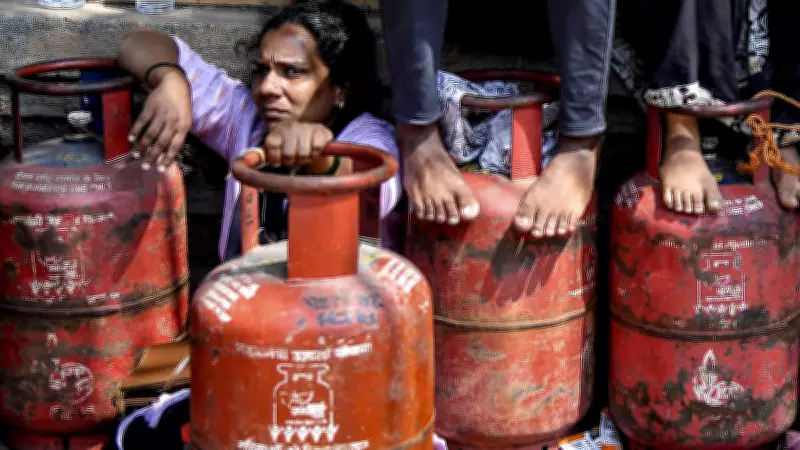
Since March, India has activated more than 424,000 new PNG connections, marking a significant expansion of the gas distribution network. This rapid deployment is part of a broader effort to transition consumers from traditional LPG cylinders to more efficient and safer PNG systems. Concurrently, the supply of 5-kg LPG cylinders has been increased, providing a flexible option for smaller households, rural areas, and commercial establishments that may not yet have access to PNG.
Consumer Shift and Surrender of LPG Connections

As the PNG network grows, over 30,000 consumers have voluntarily surrendered their LPG connections, opting for the convenience and cost-effectiveness of piped gas. This trend reflects a gradual shift towards cleaner and more sustainable energy sources, supported by government incentives and infrastructure investments. The transition is expected to reduce dependency on imported LPG and enhance energy security in the long term.
Impact of West Asia Conflict on Energy Supply Chains
The West Asia conflict, particularly tensions around the Strait of Hormuz, has raised concerns about global energy supply disruptions. India, which imports a substantial portion of its LPG from the region, is proactively addressing these challenges by diversifying its energy mix and strengthening domestic distribution capabilities. The accelerated PNG rollout and increased 5-kg LPG supply are critical components of this strategy, aimed at minimizing the impact of external shocks on the Indian economy and consumers.
Government and Industry Collaboration
Collaboration between government agencies, oil marketing companies, and private sector players has been instrumental in driving these initiatives. Efforts include streamlining regulatory approvals, investing in pipeline infrastructure, and launching awareness campaigns to encourage PNG adoption. These measures are designed to ensure a seamless transition and maintain energy affordability amid fluctuating global prices.
Future Outlook and Strategic Goals
Looking ahead, India plans to continue expanding its PNG network to cover more urban and semi-urban areas, with a target of reaching millions of additional households in the coming years. The focus on 5-kg LPG cylinders will also persist, catering to underserved segments and providing a backup option during the transition phase. By balancing short-term supply boosts with long-term infrastructure development, India aims to build a resilient energy ecosystem that can withstand geopolitical uncertainties and support sustainable growth.
In summary, India's proactive measures in enhancing LPG and PNG supplies demonstrate a commitment to energy security and consumer welfare. As the West Asia situation evolves, these strategies will play a crucial role in safeguarding the nation's energy interests and promoting a cleaner, more efficient fuel landscape.