

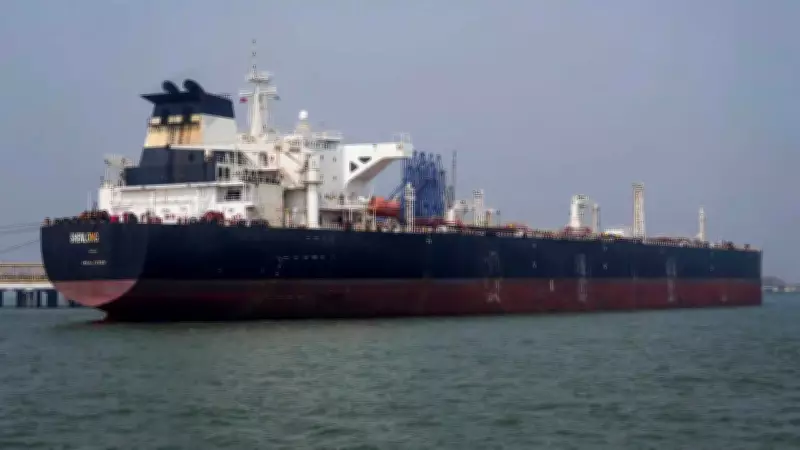
First Iranian Oil Shipment to India Since 2019 Expected on April 4
A foreign vessel carrying Iranian crude oil is likely to reach India on April 4, marking the first such shipment since May 2019. This development comes after India stopped imports from Iran in the wake of stringent US sanctions that targeted the country's oil exports.
Vessel Details and Route
MarineTraffic data has revealed that the Eswatini-flagged tanker, named Ping Shun, is currently heading toward the Vadinar facility of Deendayal Port at Kandla in Gujarat. According to Sumit Ritolia, lead analyst at the global analytics firm Kpler, the Ping Shun is en route to Vadinar with a cargo of nearly 600,000 barrels of crude oil.
However, a government official stated that the port had not received any formal intimation about the vessel's arrival until late on Tuesday. This lack of official communication adds an element of uncertainty to the shipment's timeline and regulatory clearance.

Broader Maritime Context
In a related development, officials have reported that a significant number of Indian vessels are currently positioned in key maritime regions. Specifically:
- 18 Indian vessels are located in the Persian Gulf
- 4 vessels are in the Gulf of Oman
- 2 vessels are in the Gulf of Aden
Additionally, The Times of India has learned that three Indian-flagged LPG vessels are currently drifting northeast of Abu Musa Island. These vessels are awaiting instructions for safe transit through the strategically vital Strait of Hormuz, a critical chokepoint for global oil shipments.
Historical and Strategic Implications
This potential shipment represents a notable shift in India's energy procurement strategy. Prior to the US sanctions, Iran was a significant supplier of crude oil to India, meeting a substantial portion of the country's energy needs. The cessation of imports in 2019 forced India to diversify its sources, increasing reliance on other Middle Eastern producers and alternative markets.
The arrival of the Ping Shun could signal a cautious re-engagement with Iranian oil, possibly influenced by evolving geopolitical dynamics and India's persistent energy demands. Analysts will be closely monitoring the vessel's progress and any official statements from Indian authorities regarding this development.
This move also highlights the complex interplay between international sanctions, energy security, and diplomatic relations. As one of the world's largest oil importers, India's decisions in this arena have far-reaching implications for global oil markets and regional stability.






