Indian Farmer Unions Announce Nationwide Strike Against US Trade Deal Framework
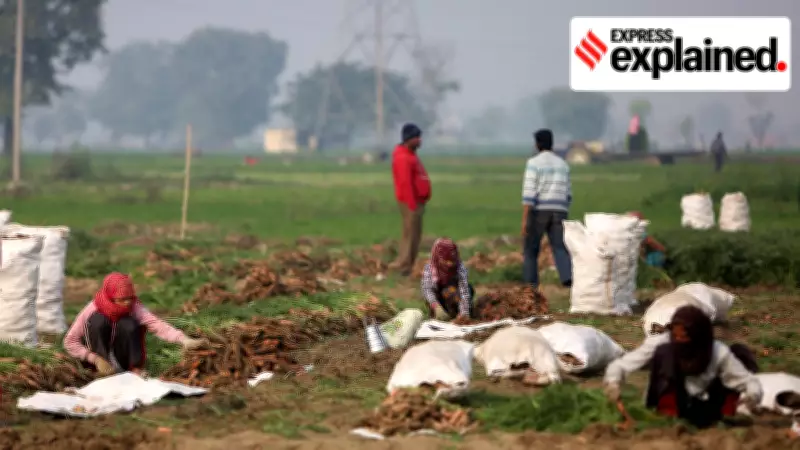
Farmer unions under the Samyukt Kisan Morcha (SKM) have declared nationwide protests, culminating in a general strike on Thursday, February 12, 2026, in opposition to the interim India-US trade agreement framework signed recently. They assert that this pact poses a direct threat to Indian agriculture, dairy, and rural livelihoods, potentially benefiting American agribusiness at the expense of local farmers.
Key Concerns Over Market Access and Tariff Reductions
The trade framework mandates that India eliminate or reduce tariffs on a broad spectrum of US industrial goods and agricultural products, including dried distillers’ grains (DDGs), red sorghum, tree nuts, fruits, soybean oil, wine, and spirits. Farmer unions argue this contradicts assurances from Commerce Minister Piyush Goyal that agriculture and dairy would be excluded from Free Trade Agreements (FTAs). They highlight that while US tariffs on Indian goods have risen to 18%, India’s tariffs on US agricultural imports, previously ranging from 30% to 150%, are being slashed to zero, creating what they deem an unequal arrangement.
Specific Threats to Dairy, Animal Feed, and GM Crops
One major worry is the reduction of non-tariff barriers, which could facilitate imports of US milk and dairy products, undermining India’s dairy sector that supports millions. Additionally, DDGs, derived from genetically modified (GM) corn, raise fears of US corporations monopolizing the animal feed market and introducing GM foods and seeds, potentially harming soil fertility, biodiversity, and domestic seed systems. Soybean farmers in states like Madhya Pradesh, Maharashtra, and Rajasthan may face losses, and imports of US wheat, soybean oil, ethanol, and fruits could impact regions such as Jammu and Kashmir, Himachal Pradesh, and the North-Eastern states.

Broader Agricultural Strain and Historical Precedents
SKM points out that this deal comes amid existing challenges in Indian agriculture, including slowed growth at 3.1%, Minimum Support Prices often below crop costs, and rising peasant debt. Agriculture policy expert Devinder Sharma cites examples from other FTAs, such as duty concessions on apples from New Zealand and the EU, warning that similar reductions with the US could devastate apple farmers in Jammu and Kashmir and Himachal Pradesh. He also notes a temporary duty cut on raw cotton that led to price drops, illustrating the broader impacts of import liberalization.
Mobilization and Future Plans
SKM has appealed to political parties, farmers’ organizations, trade unions, and mass groups to oppose what they label an "anti-national" agreement pushed without parliamentary discussion. Mobilization is intensifying across the country, with strong activity in Punjab, and SKM warns that if the deal proceeds in its current form, it will trigger sustained, large-scale protests nationwide.