

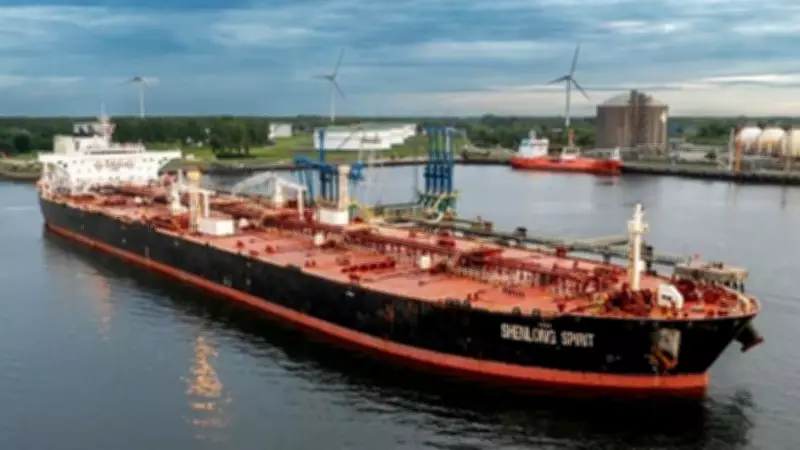
Crude Tanker Successfully Docks in Mumbai Port After Strategic Route Diversion
A crude oil tanker has recently docked at the Mumbai port, having successfully navigated an alternative maritime route to evade the increasingly volatile and war-torn Strait of Hormuz. This significant event underscores a strategic pivot in global energy transportation, as vessels seek safer passages amidst escalating regional conflicts that threaten one of the world's most critical oil chokepoints.
Navigating Around Geopolitical Hotspots
The Strait of Hormuz, a narrow waterway between the Persian Gulf and the Gulf of Oman, is a vital conduit for approximately one-fifth of the world's oil supply. Recent military tensions and skirmishes in the area have rendered it a high-risk zone for commercial shipping, prompting logistics experts and energy companies to explore contingency plans. The tanker's arrival in Mumbai via a diverted path not only demonstrates operational adaptability but also highlights the growing emphasis on maritime security in the face of geopolitical instability.
Implications for India's Energy Security
India, as one of the largest importers of crude oil globally, relies heavily on shipments traversing the Strait of Hormuz. This successful docking in Mumbai signals a proactive approach to safeguarding energy supplies, potentially reducing dependency on traditional routes that are susceptible to disruptions. Industry analysts note that such maneuvers could become more commonplace, fostering innovations in shipping logistics and route optimization to mitigate risks associated with conflict zones.

- The tanker utilized longer but safer alternative routes, possibly around the Cape of Good Hope or through other less contentious waterways.
- This event may prompt other shipping companies to reassess their navigation strategies, prioritizing safety over shorter transit times.
- Enhanced coordination between port authorities, shipping firms, and international maritime agencies is crucial for implementing such diversions effectively.
Broader Impact on Global Trade and Economy
The diversion away from the Strait of Hormuz has broader ramifications for global trade dynamics. Increased shipping distances can lead to higher freight costs and longer delivery times, potentially influencing oil prices and supply chain stability worldwide. Moreover, this shift underscores the interconnectedness of regional conflicts and international commerce, emphasizing the need for robust diplomatic and security measures to protect vital trade corridors.
As tensions persist in the Middle East, the maritime industry's ability to adapt will be pivotal in maintaining the flow of essential commodities like crude oil.In conclusion, the docking of this crude tanker in Mumbai marks a notable moment in contemporary energy logistics, reflecting strategic responses to geopolitical challenges. It serves as a reminder of the ongoing efforts to ensure energy security and the resilience of global supply chains in an unpredictable world.






