

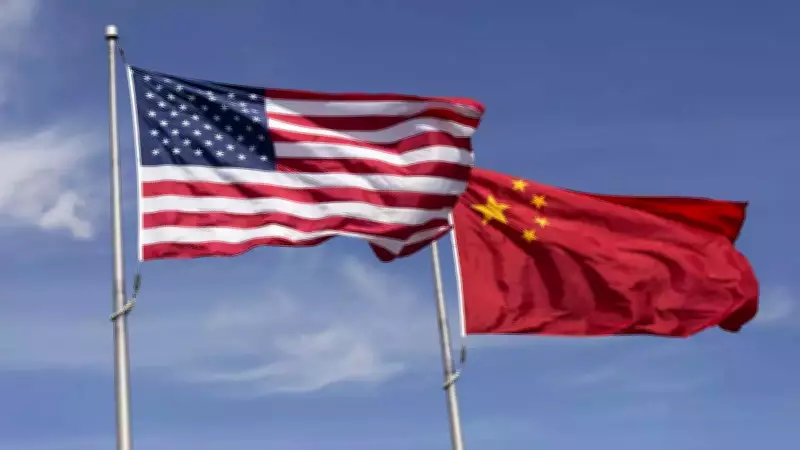
China Urges United States to Cancel Tariffs After Supreme Court Decision
China has formally called on the United States to roll back the tariffs imposed during the administration of former President Donald Trump. This appeal follows a landmark ruling by the US Supreme Court, which last week decided six to three that Trump lacked the legal authority under a 1977 statute to levy sudden tariffs on individual countries—a move that had significantly disrupted global trade flows.
Trump's New Tariff Measures and China's Response
In response to the court's decision, Trump announced a new 10% global duty on imports under a different legal provision, which he later increased to 15% on Saturday. These new tariffs are scheduled to take effect on Tuesday and will remain in place for 150 days, with certain products receiving exemptions.
China's commerce ministry issued a statement on Monday, declaring, "China urges the United States to cancel its unilateral tariff measures on its trading partners." The ministry emphasized that "there are no winners in a trade war and that protectionism leads nowhere." Additionally, it confirmed that Chinese authorities are conducting a "comprehensive assessment" of the impact of the Supreme Court ruling.

Ongoing Monitoring and Diplomatic Tensions
The Chinese foreign ministry also stated that it is closely monitoring US plans to maintain increased tariffs. "The United States is currently planning alternative measures such as trade investigations in order to maintain increased tariffs on trading partners. China will continue to pay close attention to this and resolutely safeguard China's interests," the ministry added.
This warning comes just weeks ahead of Trump's planned visit to China, which will be his first during his second term. US Trade Representative Jamieson Greer has indicated that the April meeting between Trump and Chinese President Xi Jinping is "not to fight about trade," suggesting a focus on diplomatic engagement rather than confrontation.
Supreme Court Ruling and Global Repercussions
The Supreme Court ruling represents a major setback for Trump, striking down a signature economic policy and challenging his authority on trade matters. Several countries are now reviewing the decision and Trump's subsequent tariff announcements, assessing their potential effects on international commerce.
Greer confirmed on Sunday that existing trade agreements with China, the European Union, and other partners will remain in force. In December, US trade officials had threatened tariffs on the semiconductor industry after labeling Beijing's practices as "unreasonable." Beijing opposed this move, accusing Washington of using tariffs to "unreasonably suppress Chinese industries." However, these measures are now delayed until June 2027, providing a temporary reprieve.
The ongoing trade tensions highlight the fragile state of US-China relations, with both nations navigating complex economic and political landscapes. As global stakeholders watch closely, the outcomes of these developments could shape international trade policies for years to come.






