

Bihar Intensifies Geographical Indication Drive to Safeguard Cultural and Agricultural Legacy
The culturally rich and agriculturally diverse state of Bihar is making concerted efforts to formally recognize and protect its unique heritage through Geographical Indication tags. While the state has made visible progress in recent years, it still trails behind neighboring states in securing these important protections for its distinctive products.
Current Status and National Context
Bihar currently boasts 14 GI-tagged food items and artworks, representing significant progress in recent years. However, when compared to states like Uttar Pradesh with 74 GI tags and Tamil Nadu with 69, Bihar's journey toward wider recognition remains incomplete despite its vast cultural and agricultural wealth.
At the national level, India has secured GI tags for 605 products across various categories since receiving its first-ever GI recognition for Darjeeling Tea in 2004-05. The comprehensive list includes 342 handicraft products, 197 agricultural products, 18 manufactured goods, 45 food products, and three natural products. Over the years, the GI system has emerged as a crucial tool for safeguarding regional identity and promoting traditional industries across the country.

Bihar's GI Journey and Recognized Products
The state's GI journey began in 2007 when Madhubani Painting became the first product from Bihar to receive the prestigious tag. Since that landmark achievement, several other items have joined the list, representing Bihar's distinctive handicraft traditions. These include Bhagalpur silk, Sikki grass work, Khatwa patch work (appliqué), Sujni embroidery work, Pathakati stone art, and Manjusha Art.
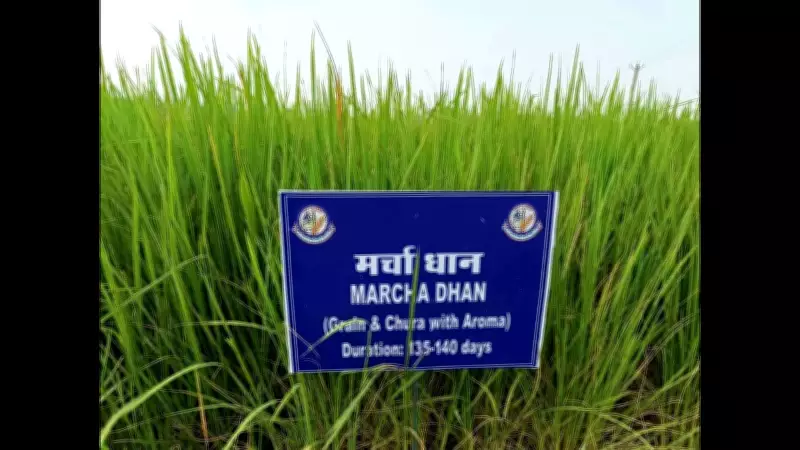
In the agricultural and food segments, Bihar has secured GI recognition for products such as Shahi litchi of Muzaffarpur, Bhagalpuri Zardalu mango, Katarni rice, Marcha rice of West Champaran, Magahi paan, Mithila makhana, and the well-known sweet delicacy Silao Khaja.
Among these, Madhubani Painting—also known as Mithila painting—holds special prominence. It is counted among seven globally celebrated GI-tagged products from India, recognized for their unique regional quality and cultural significance. The other six include Darjeeling Tea, Basmati rice, Kashmir Pashmina, Alphonso mango, Banarasi sarees, and Nagpur orange.
Expanding the GI Footprint
Building on these recognitions, Bihar is now attempting to significantly expand its GI footprint. As many as 28 fresh GI applications have recently been filed with the Geographical Indications Registry in Chennai. These filings cover a wide range of products, including traditional crop varieties, region-specific fruits, and culturally rooted food preparations.
Bihar Agricultural University research director A K Singh explained that the crop segment in these applications includes premium rice varieties such as Sonachur, Kanakjeera, Jasua, and Kessore. Other proposed crops include Tipoya wheat, Tulbulia maize, and pulses such as arhar and masoor, all known for their adaptation to local agro-ecological conditions and unique physico-chemical characteristics.
The horticulture segment features Dudhiya Maldah mango of Patna, Bathua mango of Samastipur, and Hajipur's Chiniya banana. The food category highlights ethnic products such as Litti Chokha, Thekua, Tilauri, Barh's laai, and Pipra Khaja, which represent standardized traditional knowledge and localized processing techniques.
Singh further noted, "Other filings, including singhara, Sita sindur, and Champaran neel (indigo), reflect Bihar's bio-cultural and artisanal diversity."
Government and Institutional Efforts
Officials in the state agriculture department confirm that efforts are underway to secure GI recognition for more agricultural products. Assistant director (marketing) Yachna Shree revealed that six agri-horticulture products of the state have already received GI tags, while four others—Patna's Dudhiya Maldah mango, Bhagalpur Malbhog rice, Bathua mango of Samastipur, and Sonachur rice of Rohtas district—are currently under consideration.
"The department, in coordination with the agricultural university, is striving for securing GI tags on more and more agricultural products from the state," Shree emphasized.

Growing Ecosystem and Economic Impact
Bihar Agricultural University vice-chancellor D R Singh highlighted another notable development: the growing number of authorized GI users in the state. "Parallel to the surge in GI filings, Bihar has also, of late, emerged as the leading state in India in terms of GI authorized users, registering 2,059 authorized users, surpassing Maharashtra by a margin of 295 users," Singh stated.
The rising number of authorized users indicates stronger participation from farmers, artisans, and producers—an essential factor in translating GI recognition into tangible economic gains. GI registration provides legal protection against misuse of traditional products while enabling producers to differentiate their goods in the market. It also supports premium pricing, enhances export potential, and encourages rural enterprise development.
According to Singh, Bihar's strategy increasingly reflects a broader ecosystem approach rather than focusing only on registration. "Experts note Bihar's approach reflects a shift from mere registration to ecosystem-based GI management integrating quality assurance, branding, and market linkage strategies," he explained.
Future Prospects and Model Status
BAU PRO Rajesh Kumar expressed optimism about Bihar's position, stating, "With a strong pipeline of GI applications and an expanding base of authorized users, Bihar is increasingly being seen as a model state for leveraging intellectual property rights in agriculture to drive inclusive rural growth and global market integration."
The growing awareness within the state agriculture department and support from two agricultural universities have triggered a renewed effort to secure GI tags for more products. This initiative reflects a broader attempt to protect Bihar's traditional knowledge systems while strengthening the economic potential of its local produce and crafts.
As Bihar continues to build on its existing recognitions and expand its GI portfolio, the state is positioning itself as a significant player in India's intellectual property landscape, with the potential to transform traditional knowledge into sustainable economic opportunities for its communities.





