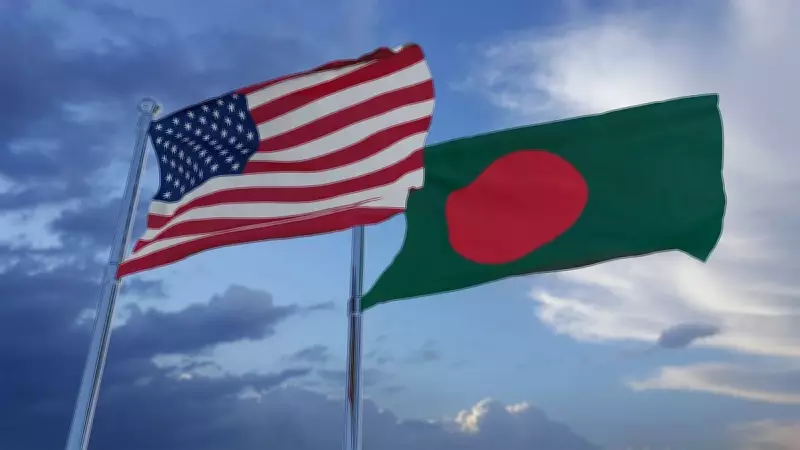
Bangladesh-US Trade Agreement: A Closer Look at Secrecy and Conditions
The details of a new trade deal between Bangladesh and the United States remain largely shrouded in secrecy, with reports indicating that specific conditions apply to the agreement. This development comes at a time when India's recent trade pact with the US has already made headlines for its significant impact on tariffs.
India's Tariff Reduction: A Boost for Labour-Intensive Sectors
In a parallel development, India's recent agreement with the United States has resulted in a notable reduction in tariffs, from 25 per cent to 18 per cent. This move is expected to bring much-needed relief to various labour-intensive sectors within India, potentially enhancing competitiveness and economic growth.
The Context of Bangladesh-US Trade Relations
The Bangladesh-US trade deal, while not fully disclosed, highlights the ongoing efforts to strengthen economic ties between the two nations. Trade agreements often involve complex negotiations, and the secrecy surrounding this pact suggests sensitive terms or strategic considerations that could influence regional trade dynamics.

Key Points to Consider:
- The Bangladesh-US trade agreement is characterized by secrecy and specific conditions, though exact terms are not publicly available.
- India's tariff reduction from 25% to 18% under its US pact is a significant development, particularly for labour-intensive industries.
- These trade moves reflect broader trends in international commerce, with countries seeking to optimize economic benefits through bilateral agreements.
As global trade evolves, such agreements play a crucial role in shaping market access and economic policies. The outcomes of these deals could have far-reaching implications for the involved nations and their trading partners.