

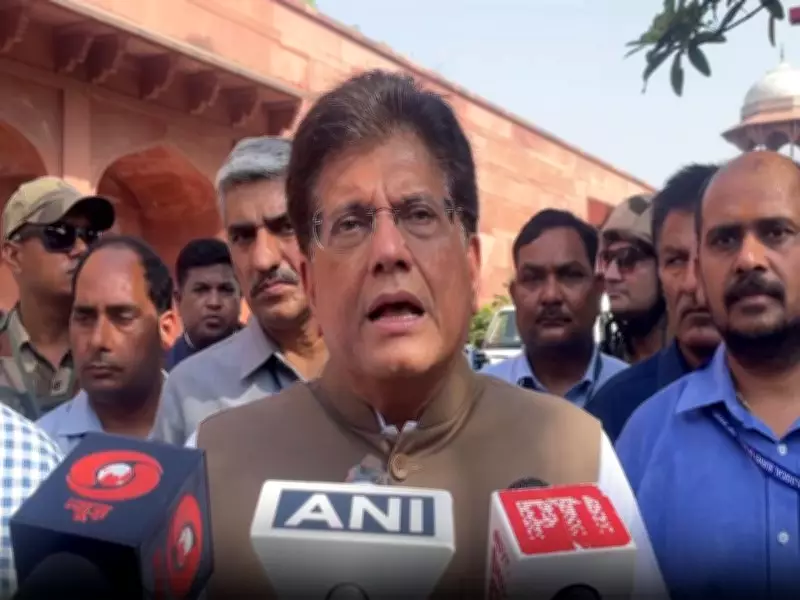
India and New Zealand have signed a free trade agreement (FTA) that will allow 70% of Indian goods to enter New Zealand duty-free, providing a significant boost to micro, small, and medium enterprises (MSMEs), according to Union Minister Piyush Goyal.
Key Highlights of the FTA
The agreement, finalized after years of negotiations, covers a wide range of products, including textiles, leather goods, pharmaceuticals, and agricultural products. Under the pact, tariffs on 70% of Indian exports to New Zealand will be eliminated immediately, with another 20% phased out over the next five years.
Benefits for MSMEs
Goyal emphasized that the FTA will particularly benefit MSMEs, which constitute a major portion of India's export base. "This agreement opens up new opportunities for small businesses to access the New Zealand market without the burden of high tariffs," he said. The minister also noted that the deal includes provisions for easier customs procedures and reduced non-tariff barriers.

Strategic Importance
The FTA is part of India's broader strategy to strengthen economic ties with the Asia-Pacific region. New Zealand is a key trading partner, with bilateral trade currently standing at around $1.5 billion. The agreement is expected to boost this figure significantly, with Indian exports projected to increase by 25% in the first year alone.
Reactions from Industry
Industry bodies have welcomed the FTA, calling it a "game-changer" for Indian exporters. The Federation of Indian Export Organisations (FIEO) said the deal would help Indian products become more competitive in New Zealand, especially in sectors where tariff barriers were previously high.
The government has also set up a dedicated helpdesk to assist MSMEs in understanding and utilizing the FTA benefits. Training programs and workshops are being planned to help small businesses navigate export procedures and comply with New Zealand's standards.
In addition to trade in goods, the FTA includes provisions for services and investment, which are expected to open up opportunities for Indian IT, education, and healthcare companies in New Zealand.
The agreement is seen as a model for future FTAs with other countries, as it focuses on balanced benefits and includes strong provisions for intellectual property rights and sustainable development.






