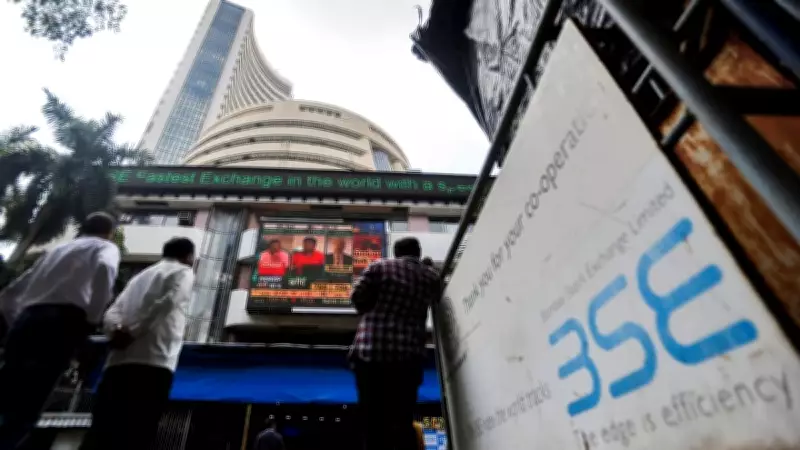
Indian Stock Markets Experience Sharp Decline in Early Trading Session
Indian stock markets opened on a negative note in early trade, witnessing significant declines as investors reacted to mounting concerns over surging oil prices and fears of escalating geopolitical conflicts. The benchmark indices, the BSE Sensex and NSE Nifty, both recorded substantial losses, reflecting heightened market volatility and risk aversion among participants.
Key Market Movements and Index Performance
The 30-share BSE Sensex declined by 270.13 points, settling at 73,049.42 during the early trading hours. Similarly, the 50-share NSE Nifty dropped 93.60 points to reach 22,619.50. These movements underscore the immediate impact of external economic pressures on domestic equity markets, with broad-based selling observed across various sectors.
Primary Drivers Behind the Market Downturn
Surging Oil Prices: A sharp increase in global crude oil prices has emerged as a major headwind for the Indian economy, which is heavily dependent on oil imports. Higher oil prices typically lead to increased inflation, reduced corporate margins, and potential monetary policy tightening, all of which negatively affect stock market sentiment.

War Escalation Fears: Geopolitical tensions and fears of conflict escalation in key regions have added to investor anxiety. Such uncertainties often trigger safe-haven asset flows and risk-off trading, resulting in sell-offs in equity markets as traders seek to mitigate potential losses from volatile conditions.
Broader Implications for the Financial Landscape
The early trade decline highlights the sensitivity of Indian markets to global macroeconomic factors. Analysts note that sustained high oil prices could further strain the economy, impacting sectors like automobiles, aviation, and consumer goods. Additionally, ongoing geopolitical risks may continue to weigh on investor confidence, potentially leading to increased market fluctuations in the near term.
Market participants are closely monitoring developments, with many adjusting their portfolios to hedge against potential downturns. The situation underscores the interconnected nature of global financial systems and the need for strategic investment approaches in times of uncertainty.