

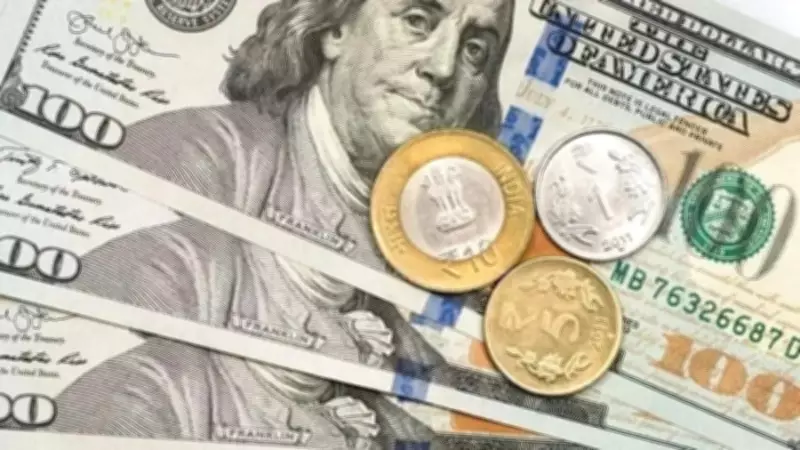
Indian Rupee Declines Sharply Against US Dollar in Early Trading Session
The Indian rupee experienced a significant drop in value during early market trading on Tuesday, falling by 49 paise to settle at 83.32 against the US dollar. This depreciation marks a notable shift in the currency's performance, reflecting broader economic pressures and market dynamics.
Key Factors Behind the Rupee's Depreciation
Several critical elements contributed to the rupee's decline in early trade. Foreign fund outflows played a major role, as international investors pulled capital from Indian markets, increasing demand for the US dollar and putting downward pressure on the rupee. Additionally, the strengthening of the US dollar in global forex markets exacerbated the situation, making imports more expensive and affecting India's trade balance.
Market analysts have pointed to geopolitical tensions and global economic uncertainties as underlying factors driving the dollar's appeal as a safe-haven currency. The rupee's movement is closely watched by traders and policymakers, as it impacts inflation, corporate earnings, and overall economic stability.

Implications for the Indian Economy
The rupee's depreciation to 83.32 against the dollar has immediate and long-term implications:
- Increased Import Costs: A weaker rupee makes imported goods, such as crude oil and electronics, more expensive, potentially leading to higher inflation.
- Export Competitiveness: On the positive side, Indian exports may become more attractive in international markets due to lower relative prices.
- Foreign Investment: Continued outflows could signal reduced investor confidence, affecting stock markets and economic growth projections.
Financial experts are monitoring the situation closely, with some predicting further volatility if global conditions worsen. The Reserve Bank of India (RBI) may intervene in the forex market to stabilize the rupee, as it has done in the past during similar episodes of sharp depreciation.
Market Reactions and Future Outlook
In response to the rupee's fall, equity markets showed mixed reactions, with sectors reliant on imports facing pressure, while export-oriented industries saw potential gains. The early trade data suggests that currency fluctuations could influence monetary policy decisions in upcoming RBI meetings.
Looking ahead, factors such as US Federal Reserve policies, domestic economic indicators, and global trade developments will be crucial in determining the rupee's trajectory. Investors are advised to stay informed and consider hedging strategies to mitigate risks associated with currency volatility.






